










Museo Arqueológico del Puuc
The Puuc Archaeological Museum, located in Kabah, Yucatán, displays artifacts and architectural elements from the ancient Maya culture of the Puuc region. Its collection offers insight into aspects of daily life, religion, architecture, politics, and customs of the ancient Maya.
The Puuc Archaeological Museum, located in the Kabah archaeological site in Yucatán, is an important venue dedicated to the preservation, research, and dissemination of the Mayan cultural heritage of the Puuc region. Its creation represents a significant step toward bringing the public closer to the history of the ancient Maya communities that inhabited this area and toward showcasing archaeological artifacts that provide a better understanding of their social organization, religious beliefs, knowledge, and relationship with the environment.
The Puuc region is characterized by Maya architecture of great artistic richness. The term “Puuc” refers to a hilly region in southern Yucatán and northern Campeche, where a particularly elaborate architectural style developed. Among the most important archaeological sites in this region are Uxmal, Kabah, Sayil, Xlapak, and Labná. These settlements reached a remarkable level of development between the 7th and 10th centuries, although their history spans a much longer period and is linked to different stages of Maya civilization.
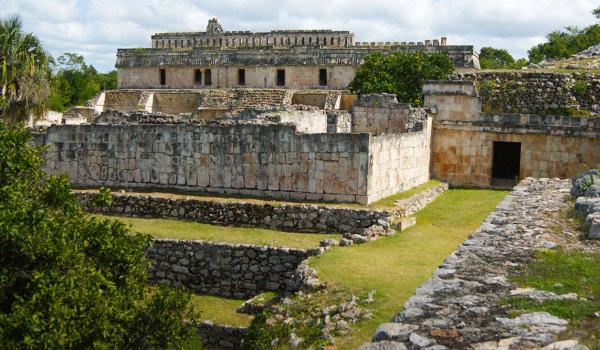
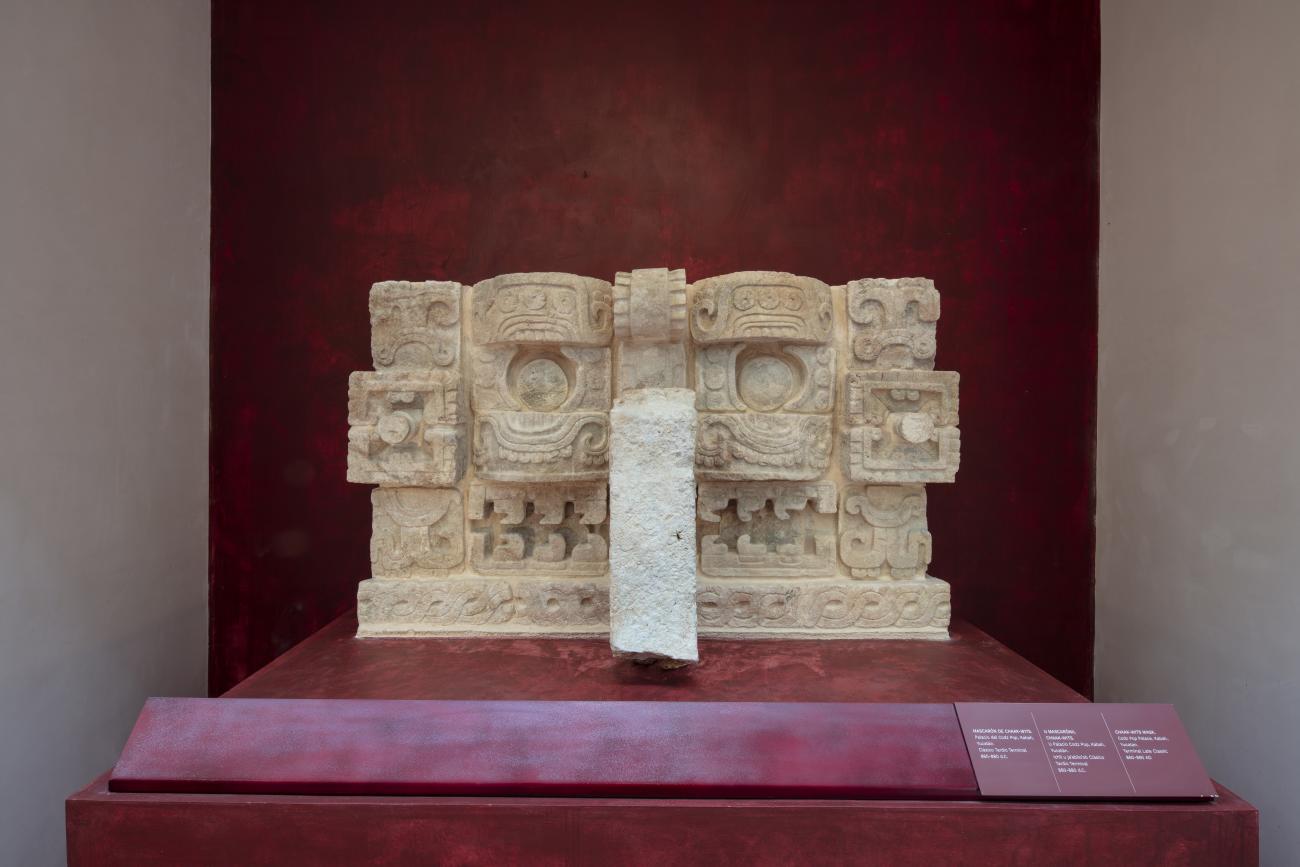
The museum is closely linked to Kabah, one of the major settlements in the Puuc region. Kabah is notable for its monumental buildings and, in particular, for the extraordinary decoration of its facades. One of its best-known examples is the Codz Pop, whose facade is covered with numerous depictions of Chaac, the Maya deity associated with rain. This presence is particularly significant in a region where access to water was one of the greatest challenges for ancient societies.
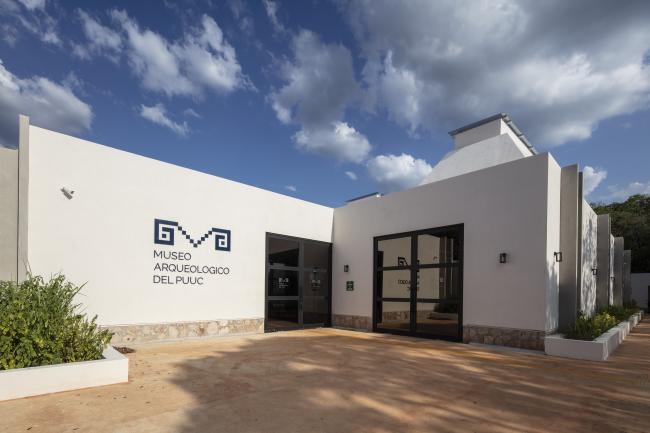
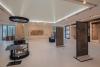
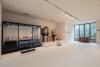
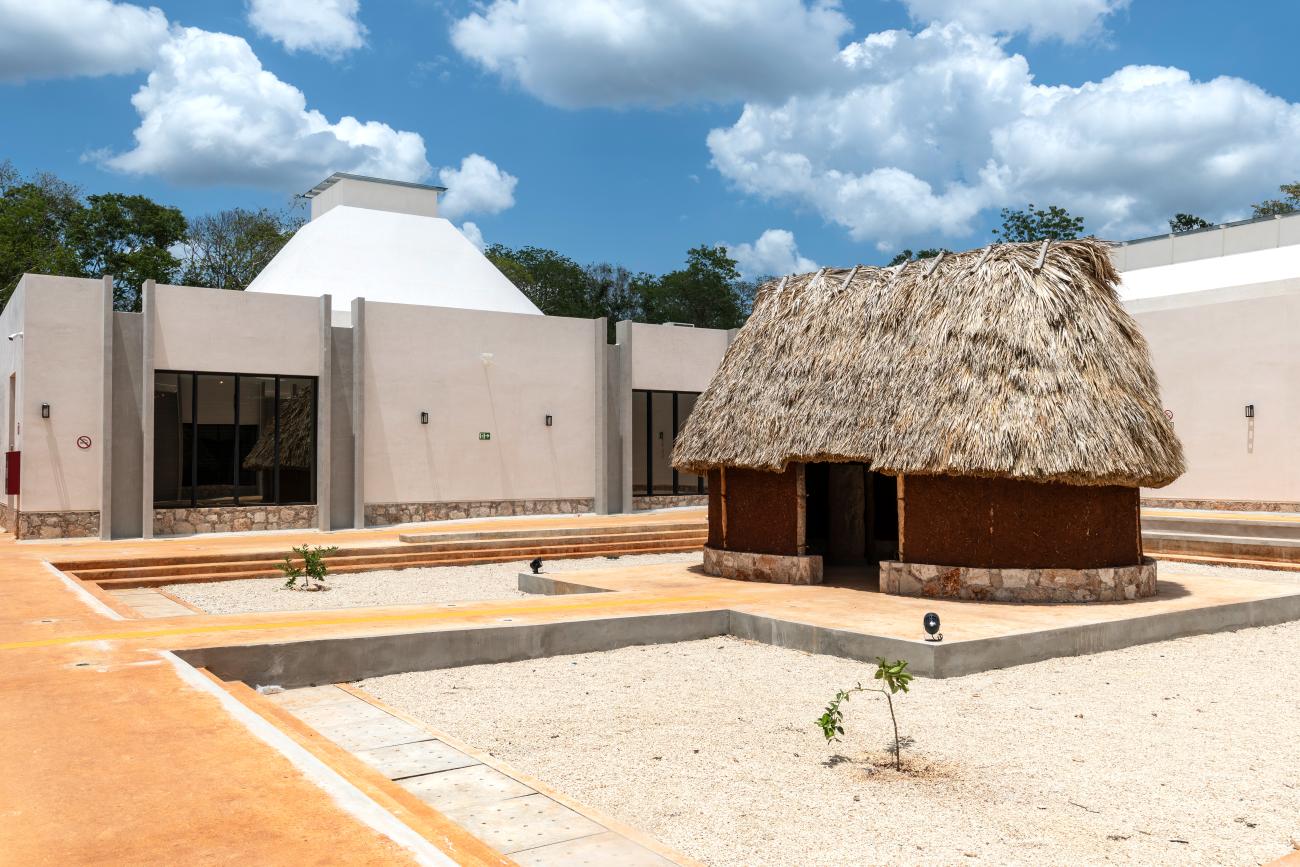
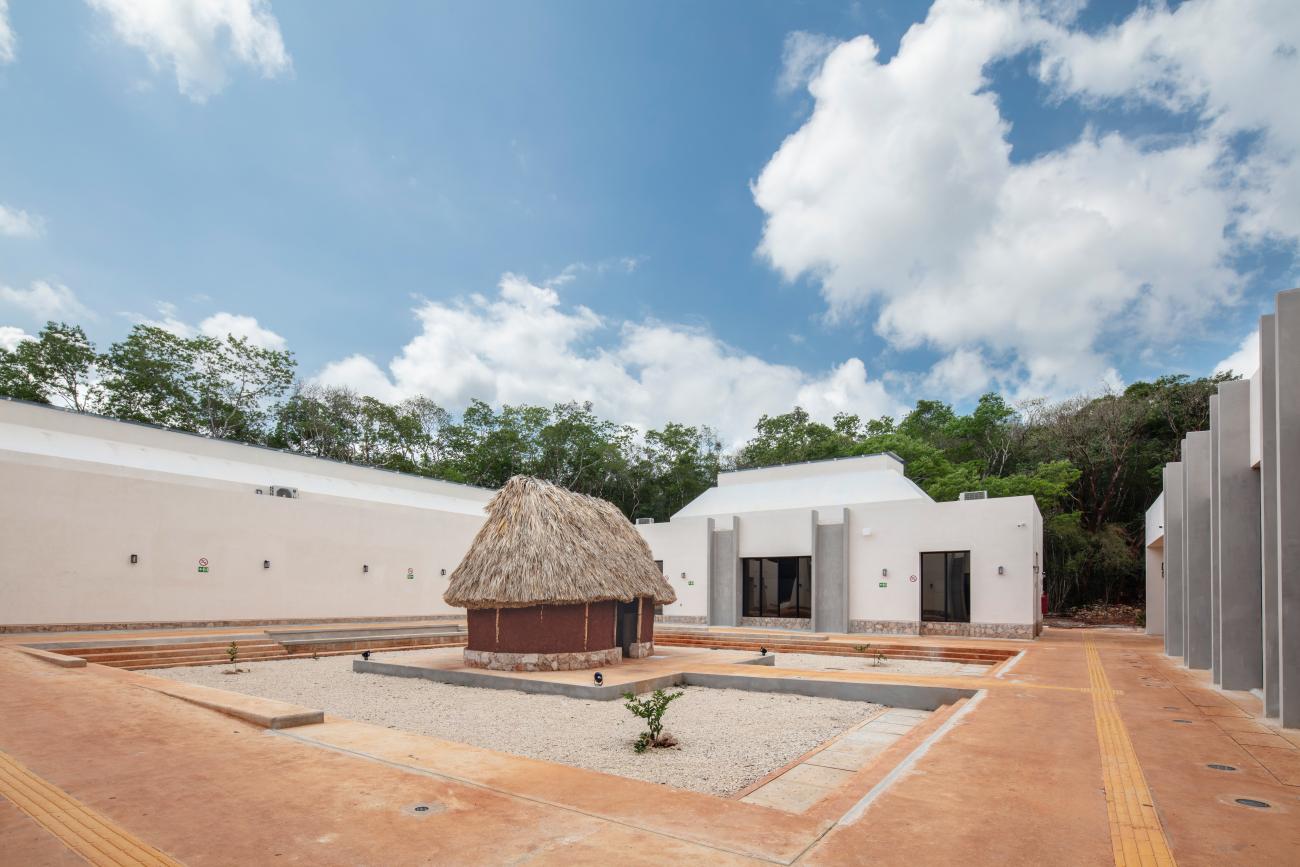
The museum was designed to blend seamlessly with the region’s architectural heritage. Its design draws on elements of Puuc architecture and seeks to establish a dialogue between contemporary structures and the archaeological landscape. In this way, the museum serves not only as a place to store and display ancient artifacts, but also as an introduction to the very territory where the societies that produced these pieces originated.
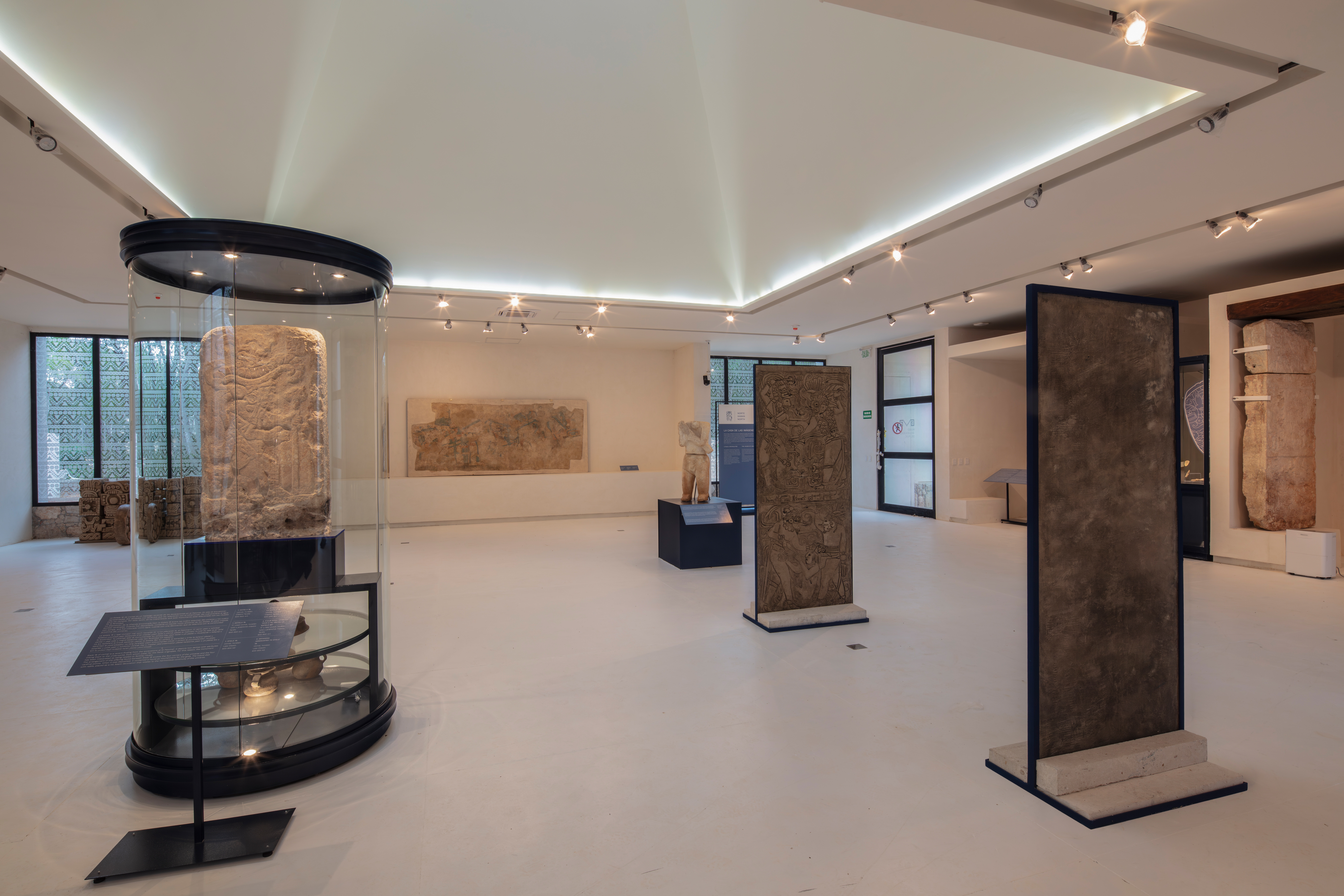
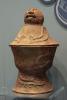
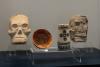
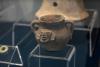
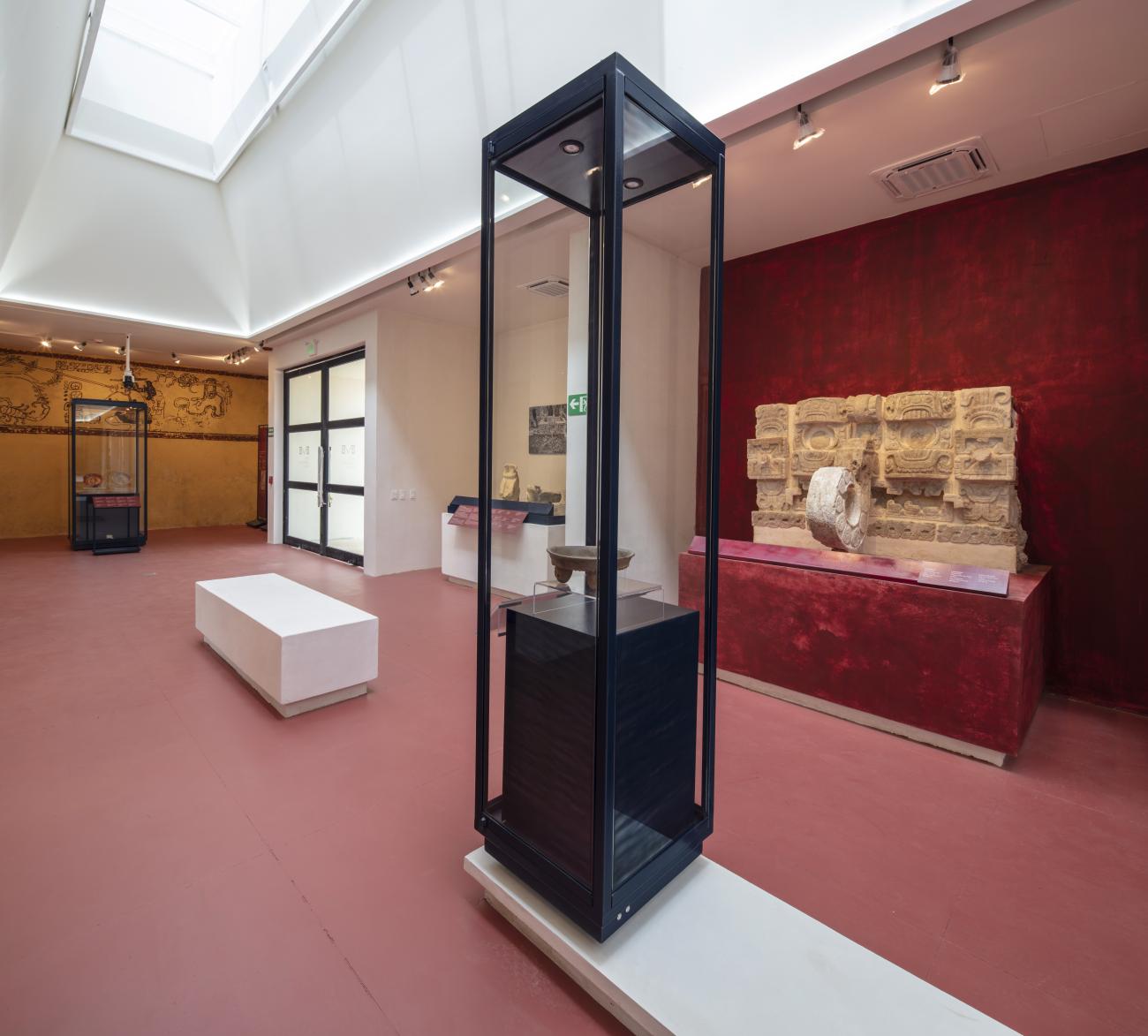
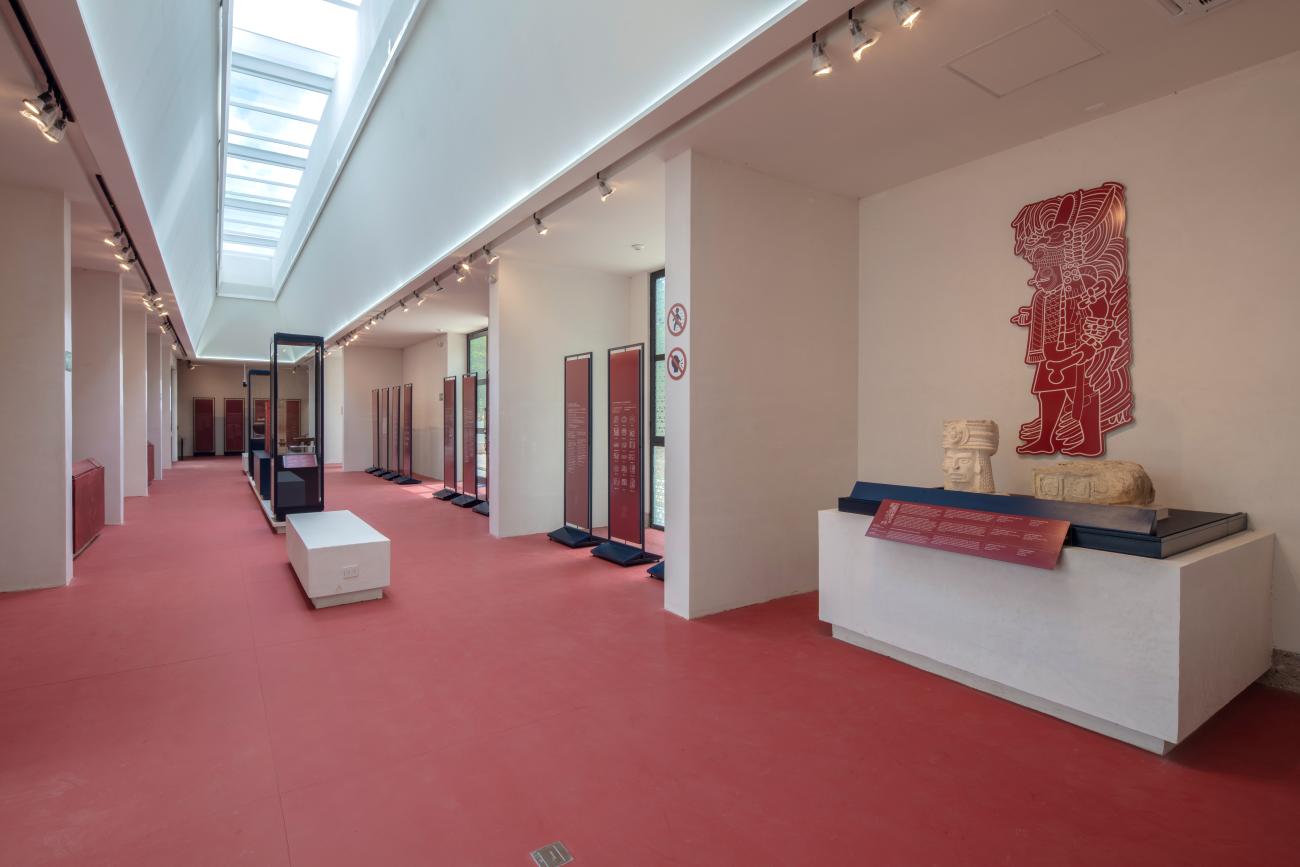
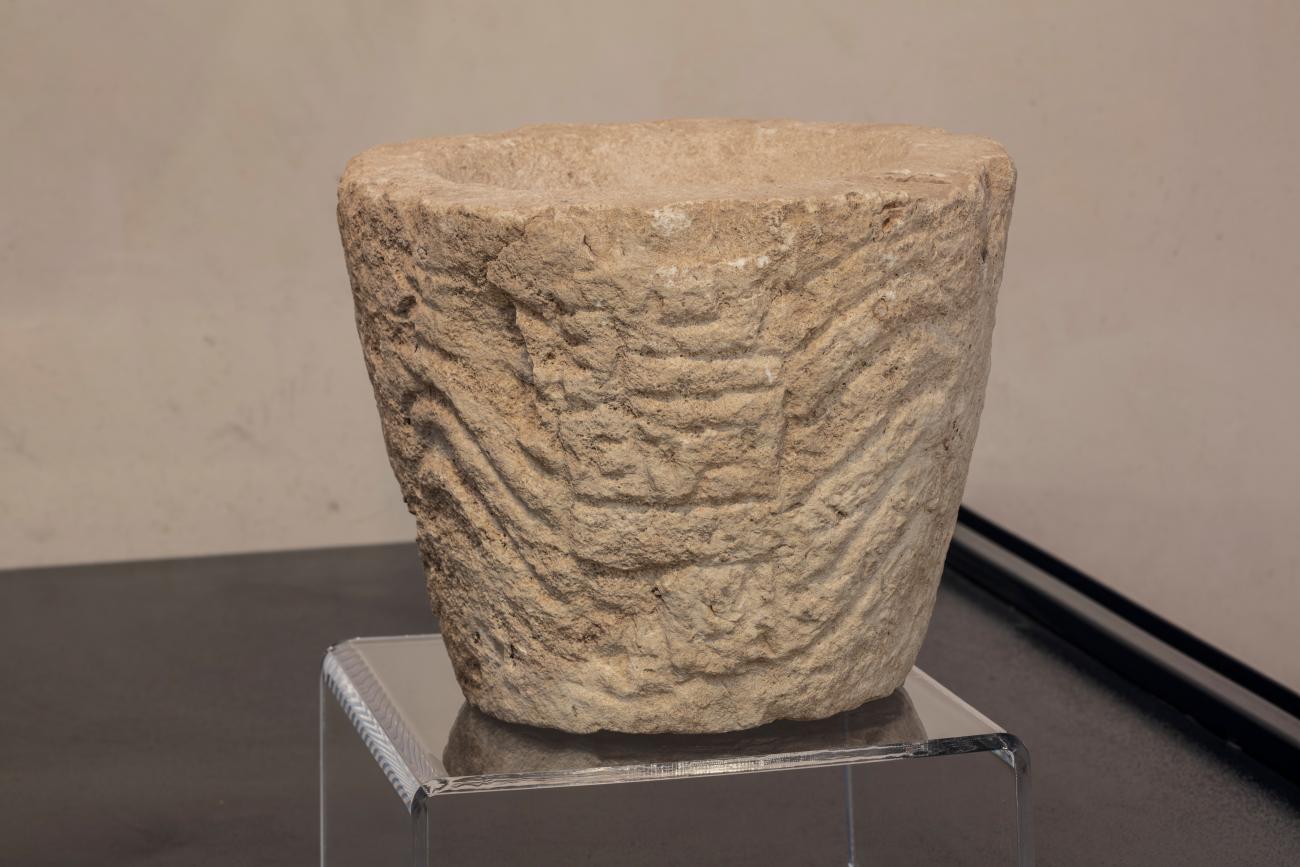
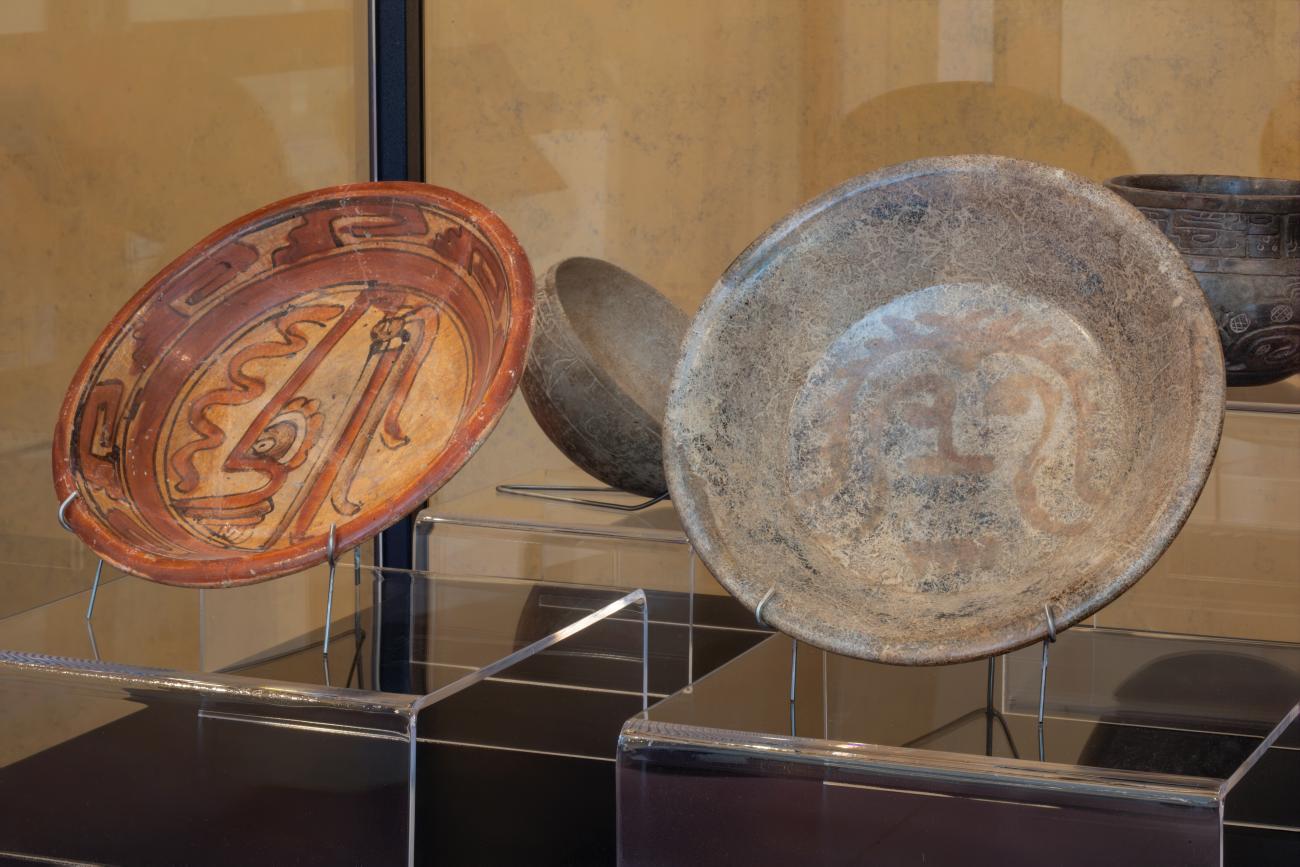
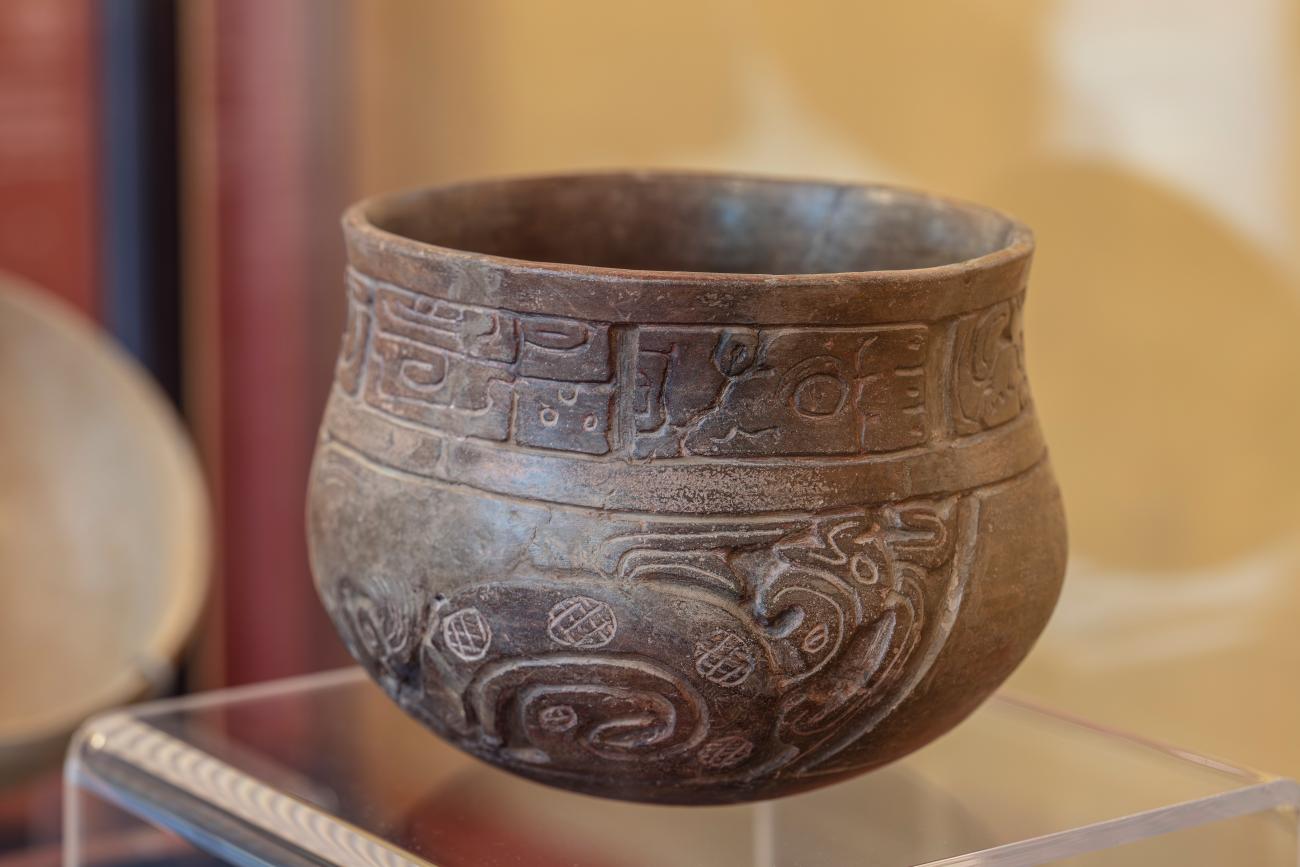
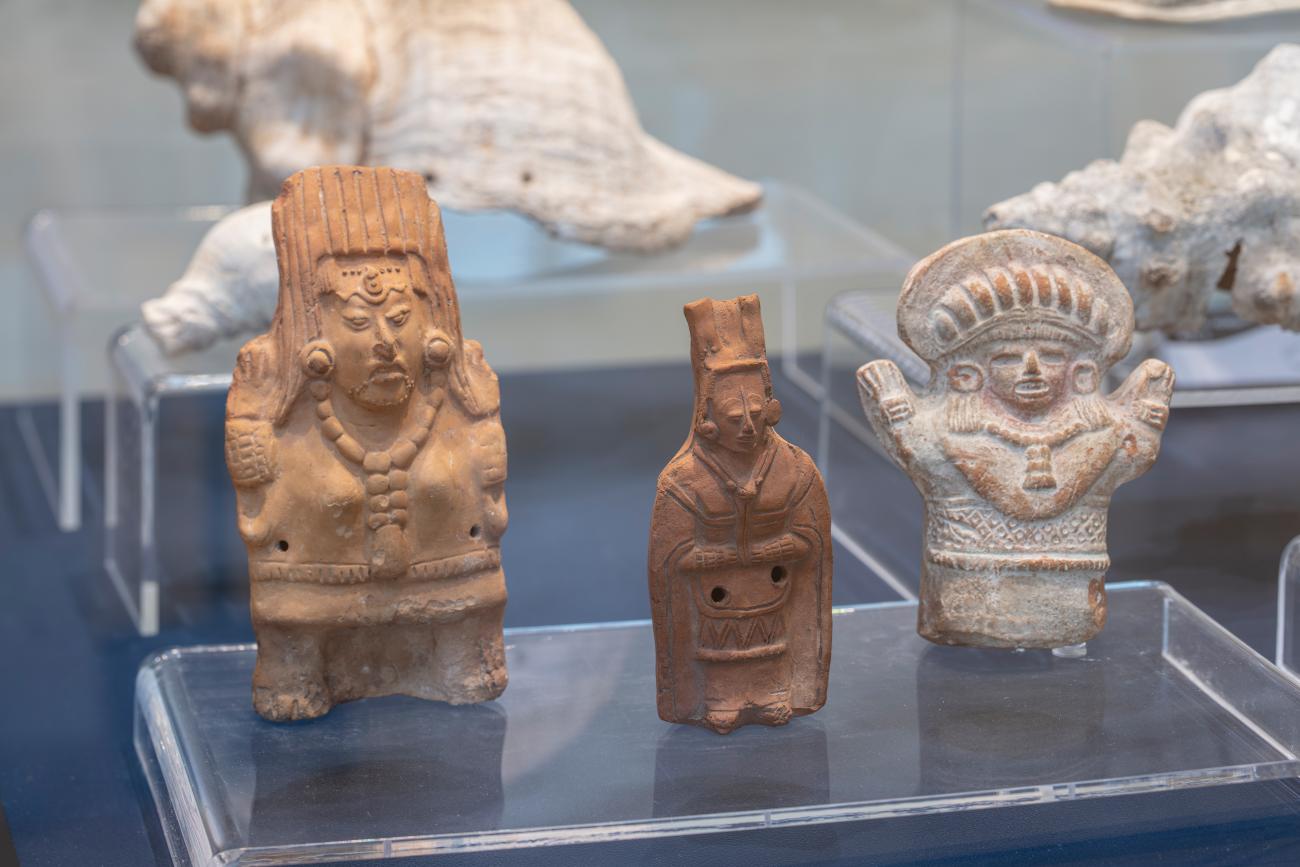
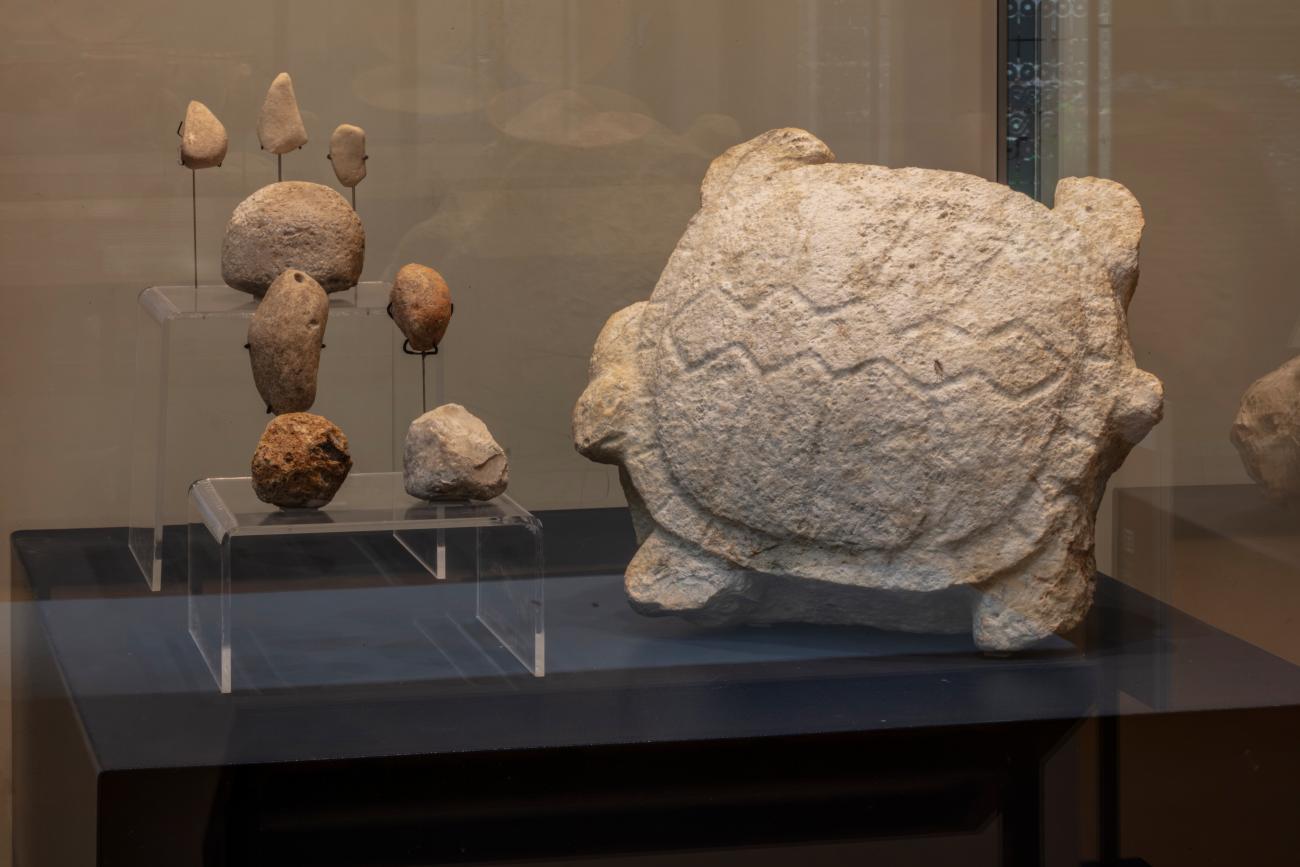
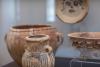
One of the main objectives of the Puuc Archaeological Museum is to provide visitors with a broad overview of Mayan culture. The exhibits offer insight into various aspects of daily life, religion, politics, warfare, architecture, and funerary practices. Through sculptures, architectural elements, ceremonial objects, and other archaeological materials, visitors can gain a deeper understanding of how the region’s ancient inhabitants perceived the world.
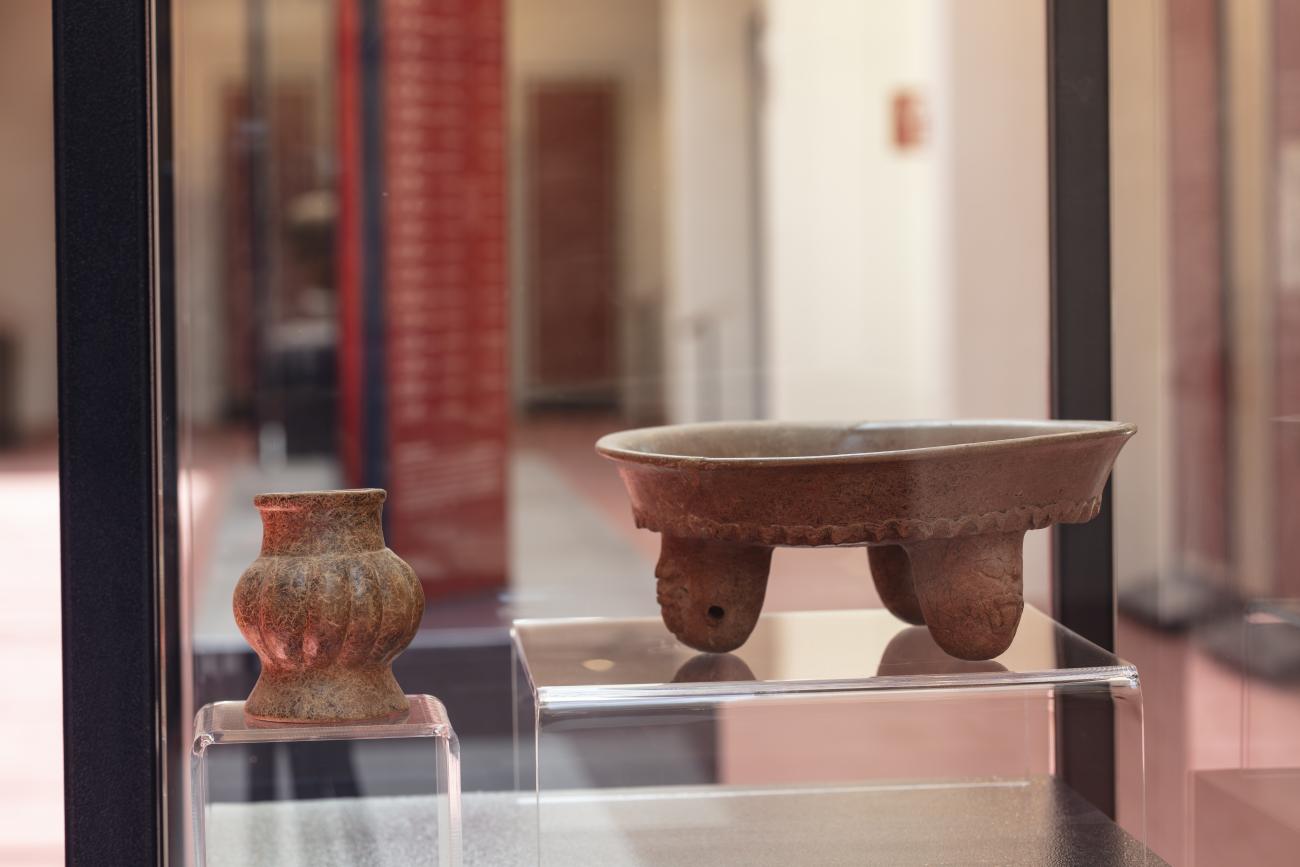
Among the items of special importance are artifacts from various archaeological sites in the Puuc region. The collection includes objects recovered through archaeological research conducted over many years. Each artifact has its own historical value, but it takes on greater significance when viewed within the context of the buildings, cities, and communities to which it belonged.
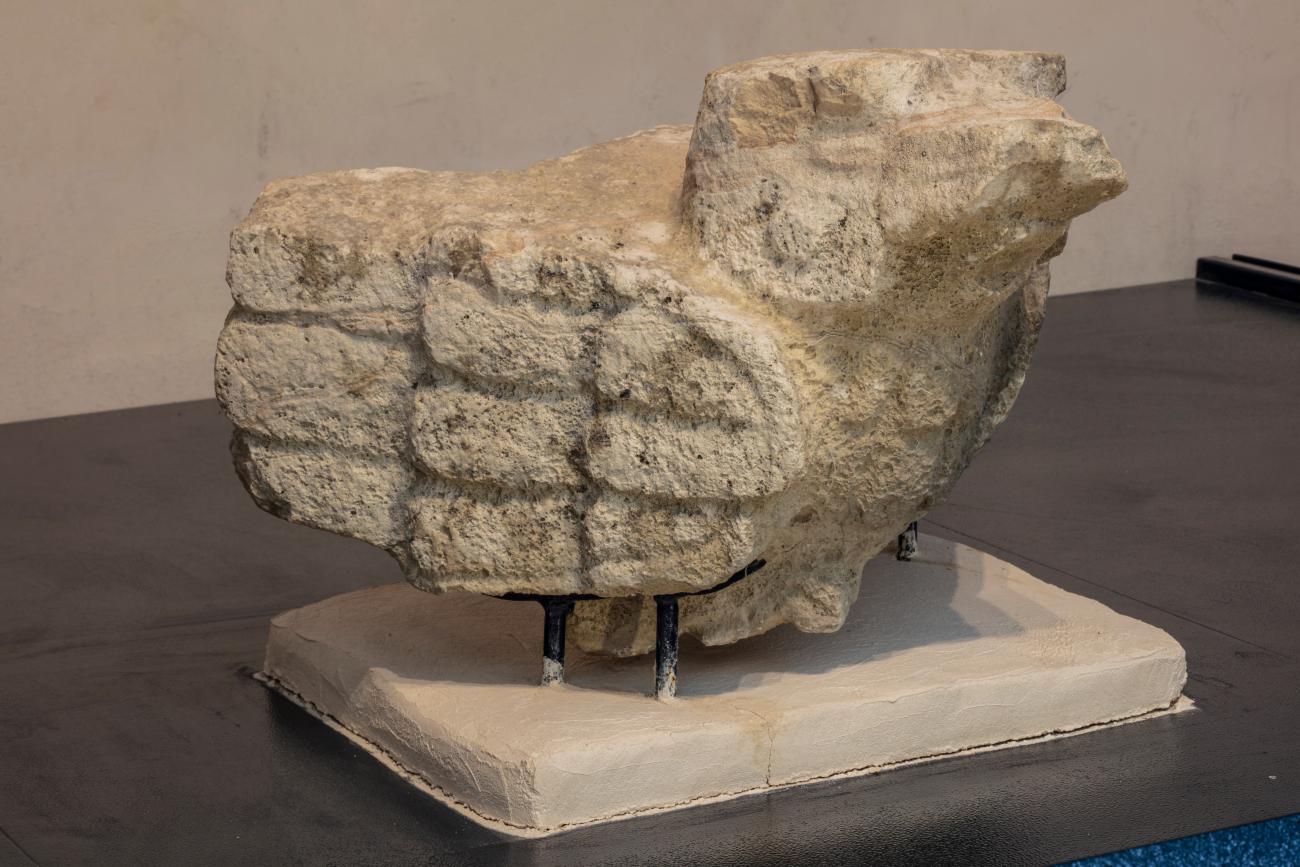
One of the most interesting aspects of the museum is the presence of architectural elements that were originally part of Mayan buildings. These objects allow visitors to appreciate the artistic quality achieved by the ancient builders and sculptors. Puuc facades are known for their stone mosaics, Chaac masks, human figures, animals, and geometric designs. The precision with which these elements were crafted demonstrates the high level of specialization among Maya artisans.
Puuc architecture also shows that the Maya developed solutions adapted to the region’s environmental conditions. Unlike other Mayan areas with abundant rivers and surface lakes, the Puuc region faced difficulties in obtaining water during the dry season. For this reason, the inhabitants developed systems to collect and store rainwater. The so-called chultunes—reservoirs carved into the rock—were essential for ensuring the communities’ water supply.
The importance of water is also linked to religion. For the ancient Maya, rain was essential for agriculture and, therefore, for the survival of society. Hence the prominent presence of Chaac in the architectural decoration of Puuc buildings. Depictions of this deity illustrate the relationship between architecture, religion, and environmental conditions.
The museum also helps visitors understand the political organization of Maya cities. The large buildings, plazas, and architectural complexes were not built solely for practical purposes. Their size and decoration reflected the power of the ruling elites and the importance of religious and political ceremonies. The construction of large monuments required the participation of numerous workers, artisans, and specialists, demonstrating the existence of an organized and hierarchical society.
Another key aspect is the relationship between archaeological sites and daily life. Although Mayan cities are often known primarily for their temples and palaces, archaeological research has also shed light on the activities of ordinary people. Agriculture, artisanal production, the exchange of goods, and domestic activities were indispensable to the functioning of these societies.
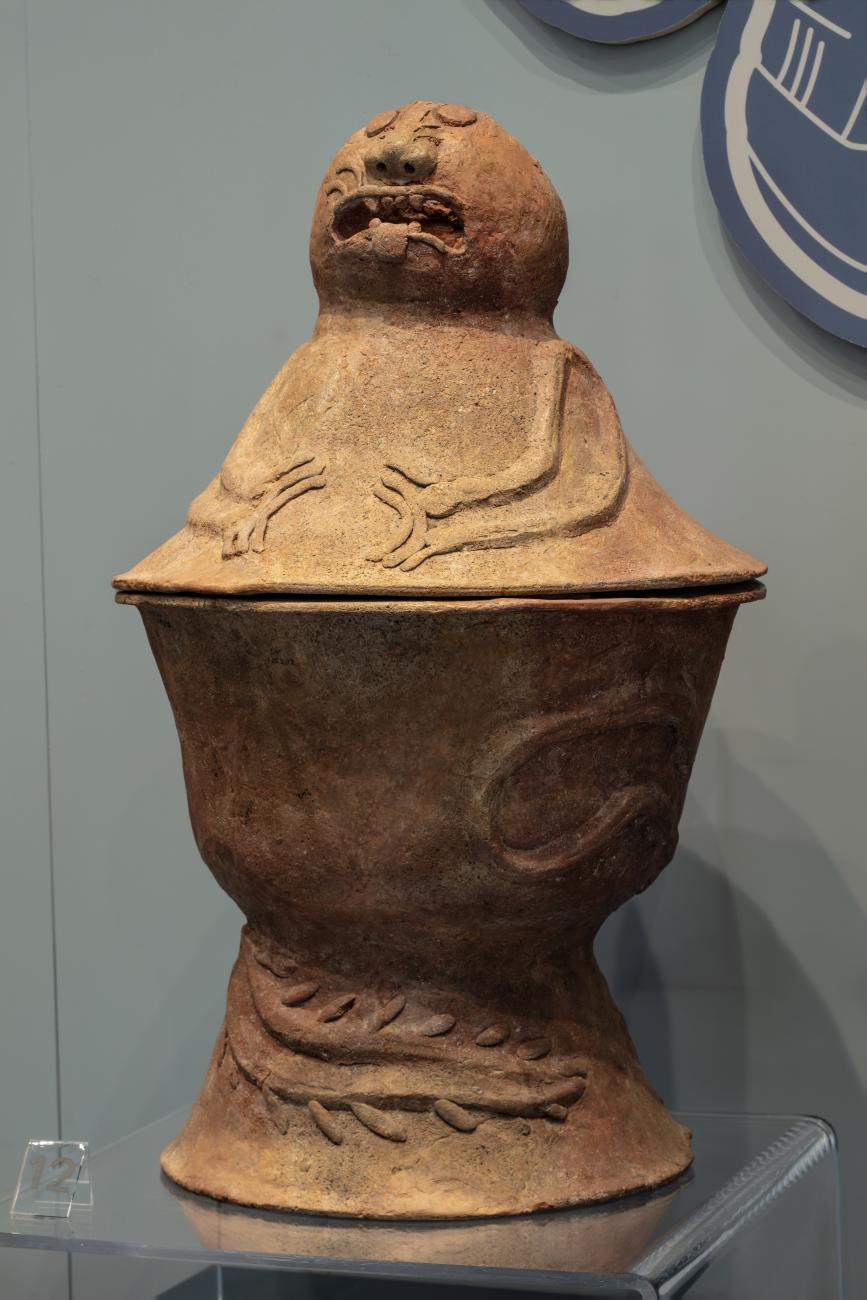
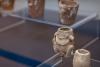
Archaeological artifacts also offer insight into beliefs about death and the afterlife. The ancient Maya practiced various burial customs and placed objects alongside the deceased. These grave goods can provide information about a person’s social status, their activities, and the beliefs of their community. Therefore, every object recovered from an archaeological context can provide valuable information about the past.
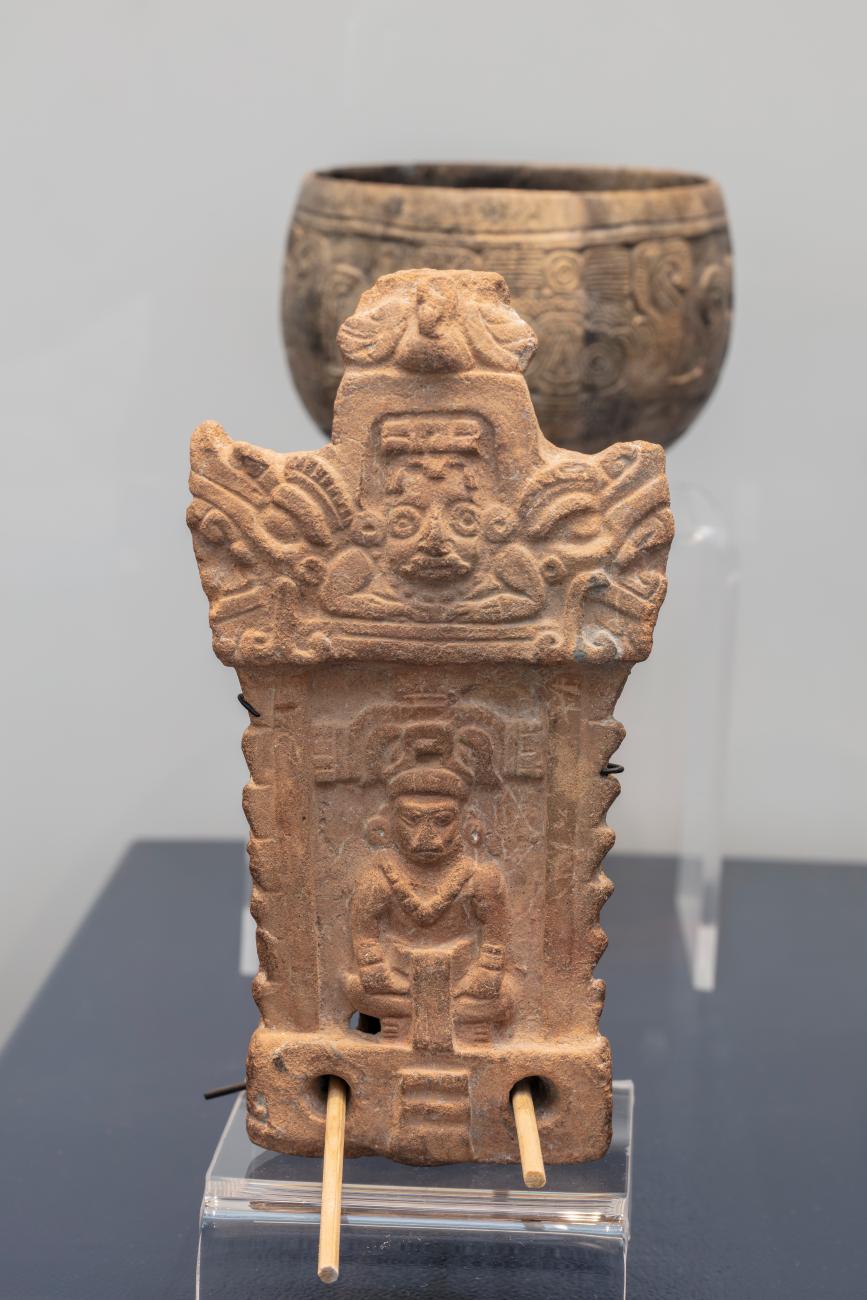
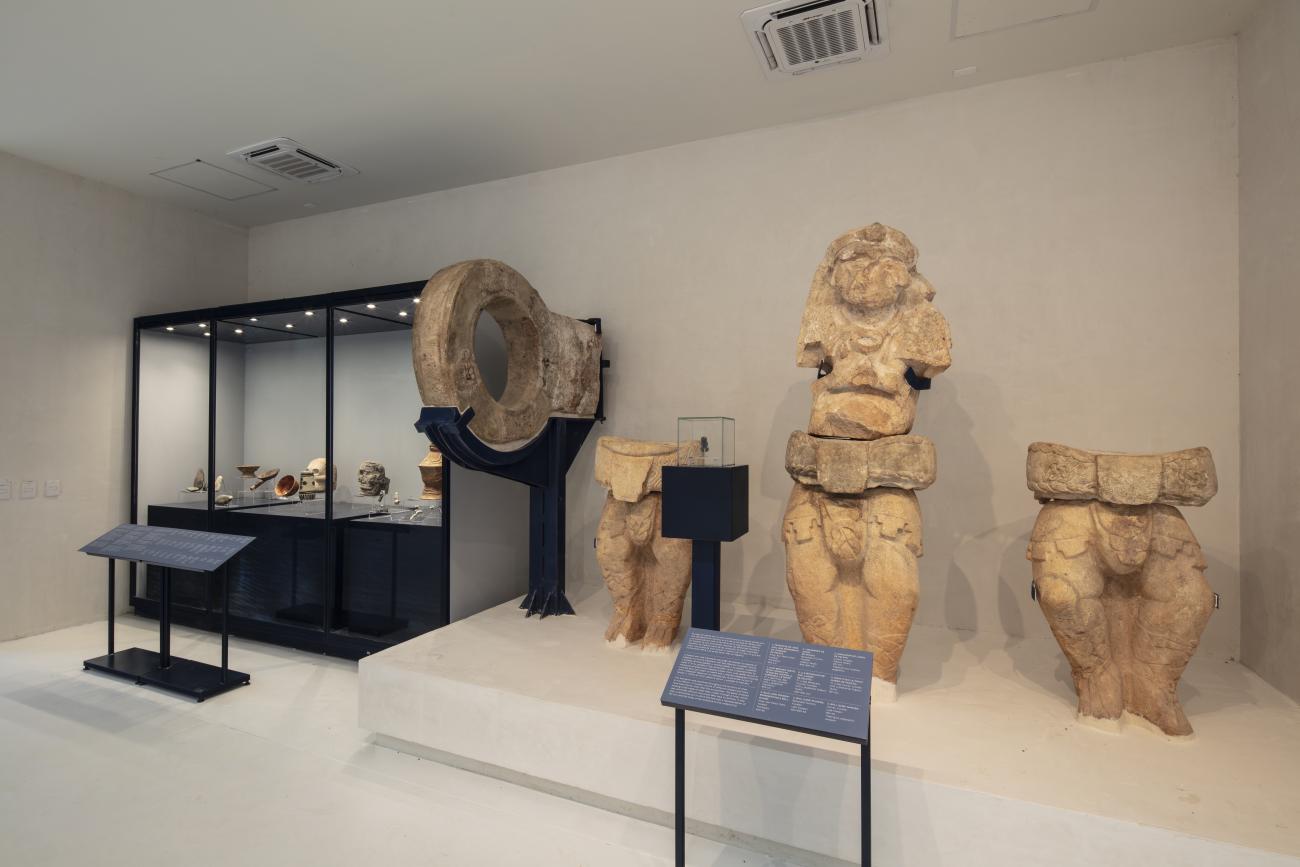
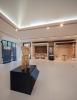
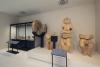
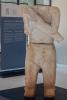
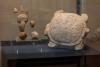
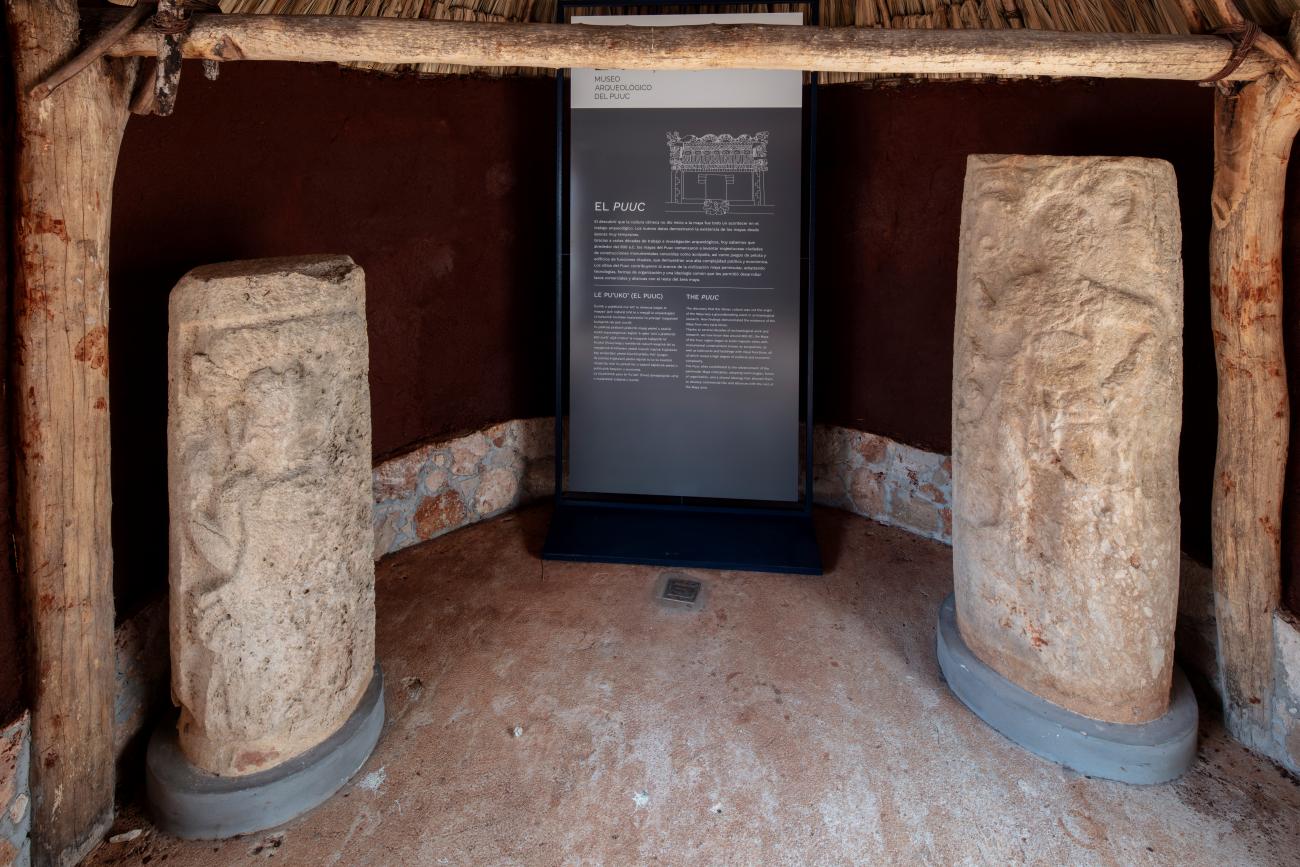
The museum houses notable artifacts such as Stela 14 from Uxmal, a sculpture of an Itzá warrior, and the doorjambs from the Popol Nah at Kabah, which depict rulers during political and religious ceremonies. It also features a reproduction of the royal kitchen at Kabah.
The exhibition explains the Maya conception of time and historical cycles, including rituals of commemoration and closure related to the abandonment of cities. It also features models, murals, ethnographic objects, a wooden canoe, and items related to the traditional beekeeping of Melipona bees, demonstrating the continuity of certain Maya practices to the present day.
An important feature of the museum is that it does not present Maya culture as a civilization that has completely disappeared. Maya peoples continue to exist today and preserve their languages, traditions, knowledge, and ways of relating to the land. For this reason, the interpretation of archaeological heritage must also take into account the cultural continuity of contemporary Maya peoples.
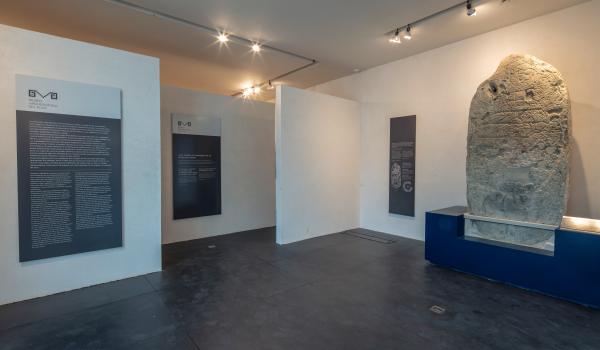
Sala Poniente, El poder del hombre (Tsikbal)
Explore the power of the Maya rulers, highlighting their lineages and the connection they established between the human and divine worlds. It also explains how ancient cities demonstrated their authority through grand structures and an extensive trade network. Valuable goods such as jade, obsidian…
Sala Poniente, El poder del hombre (Tsikbal)
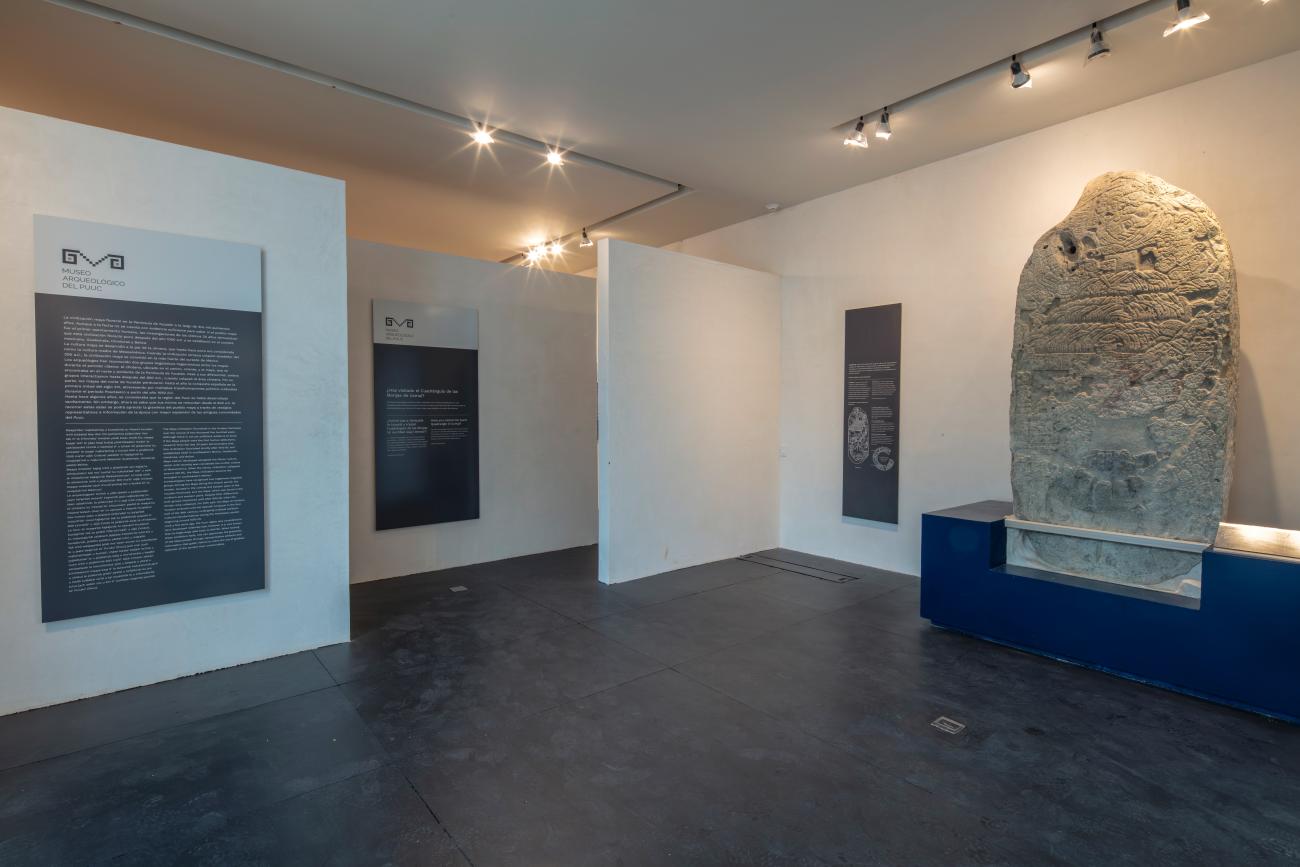
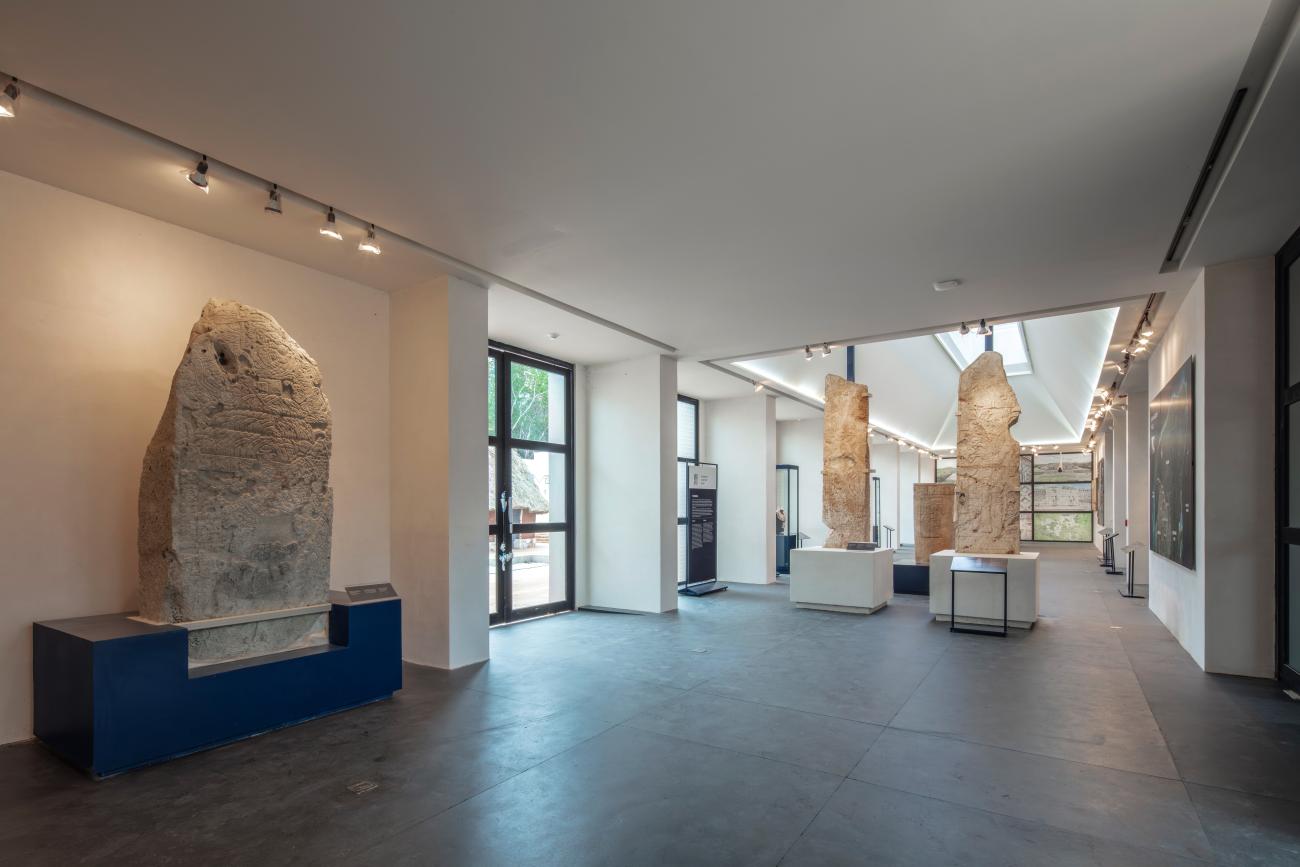
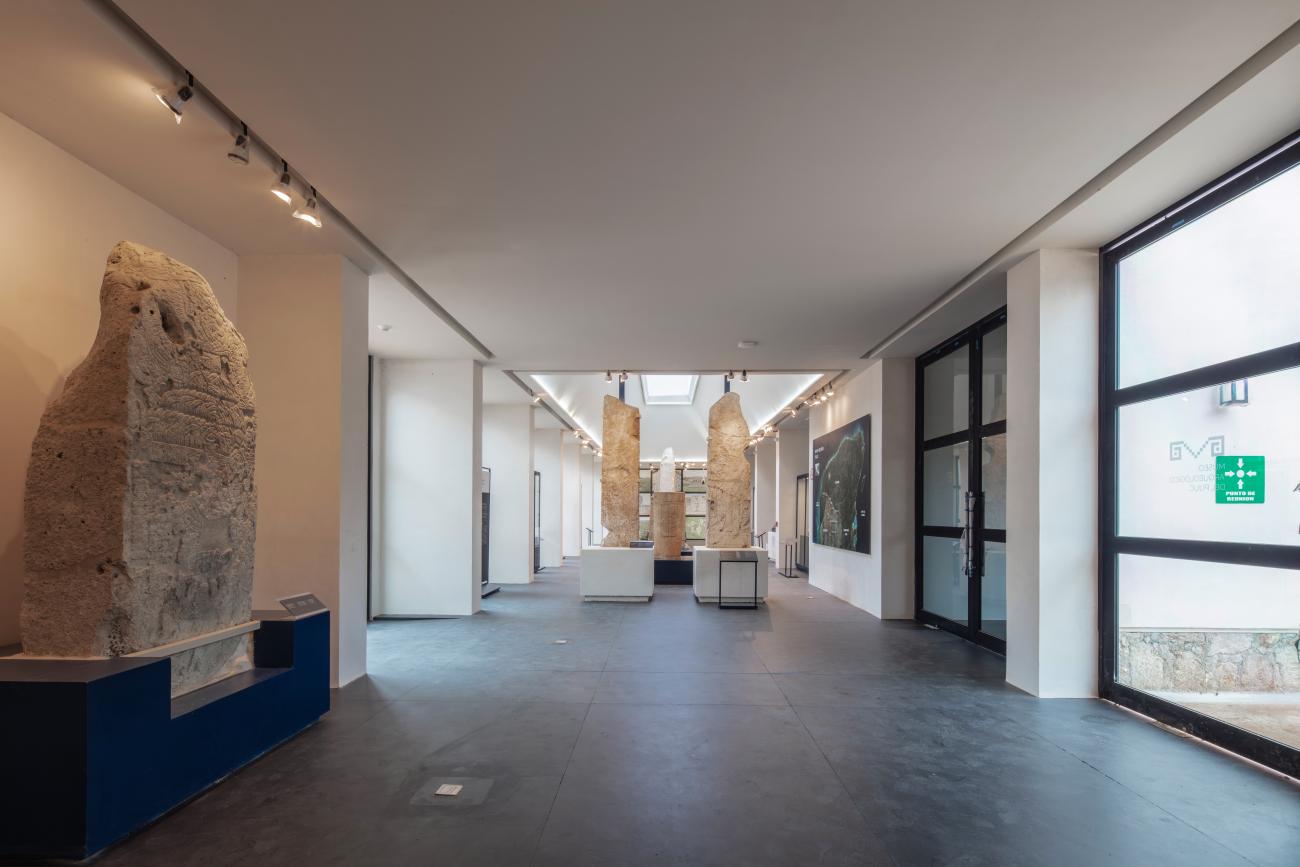
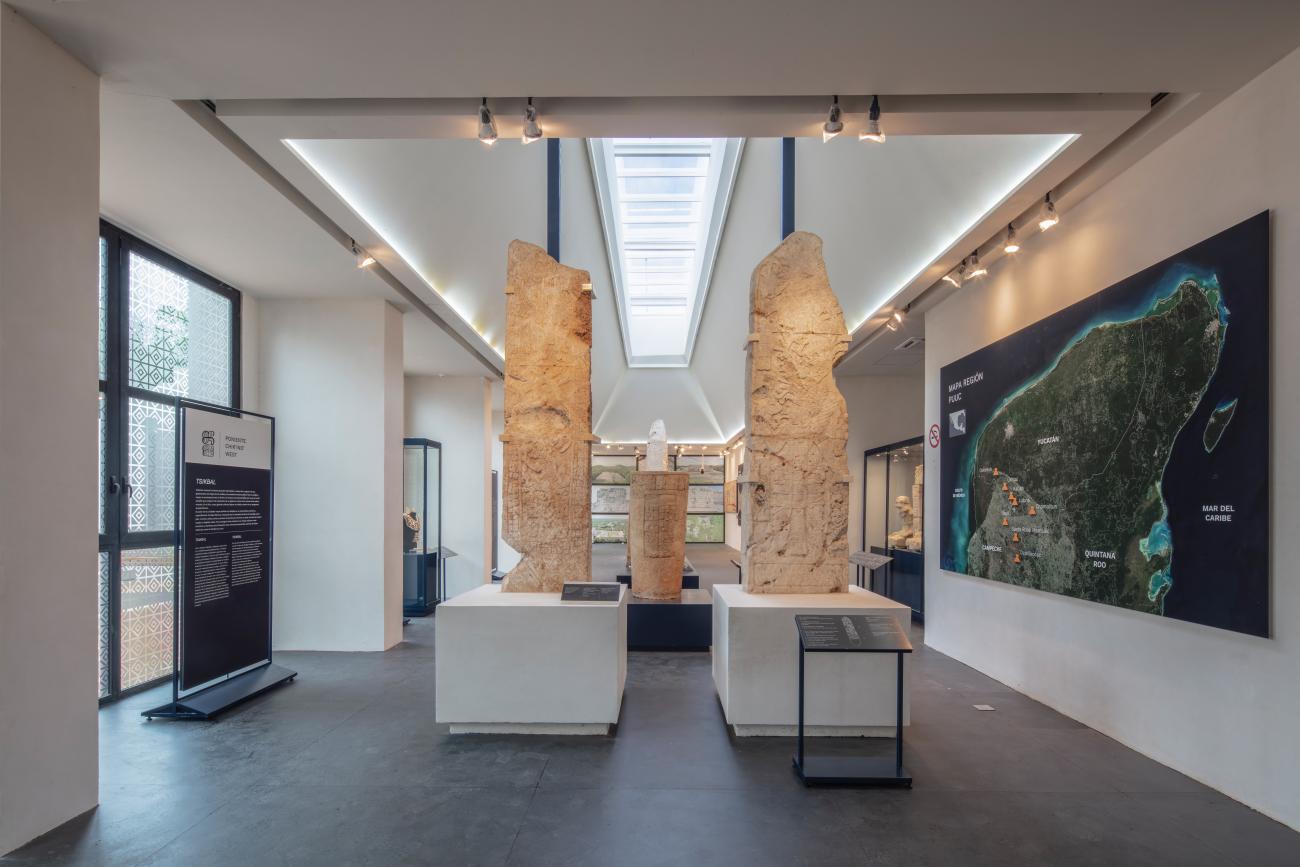
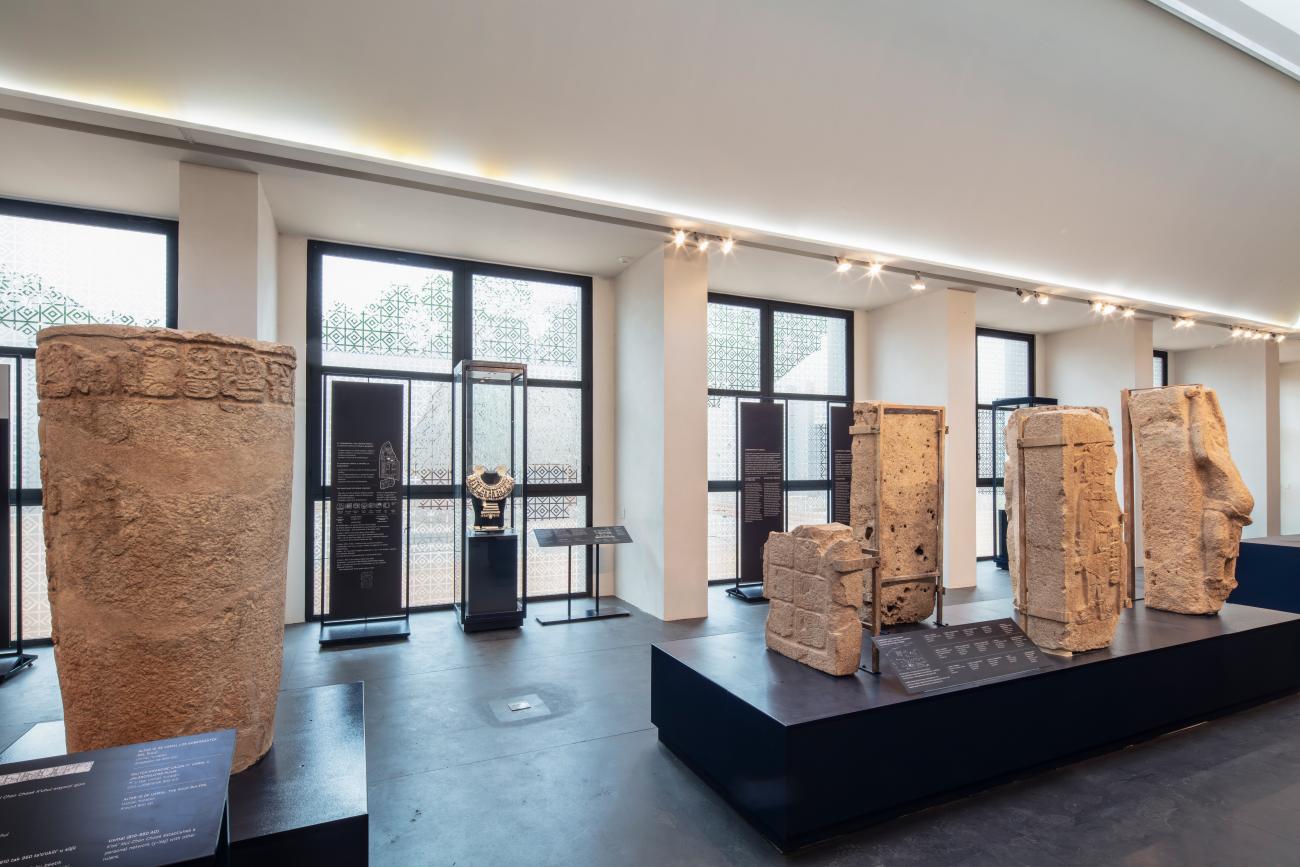
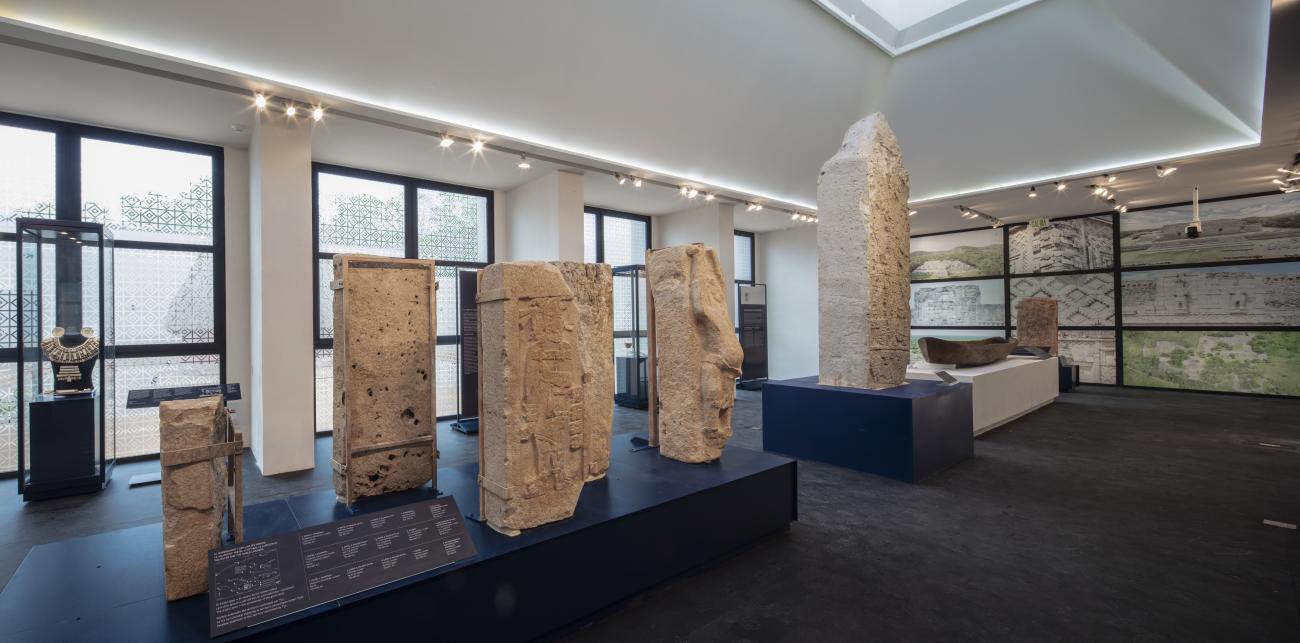
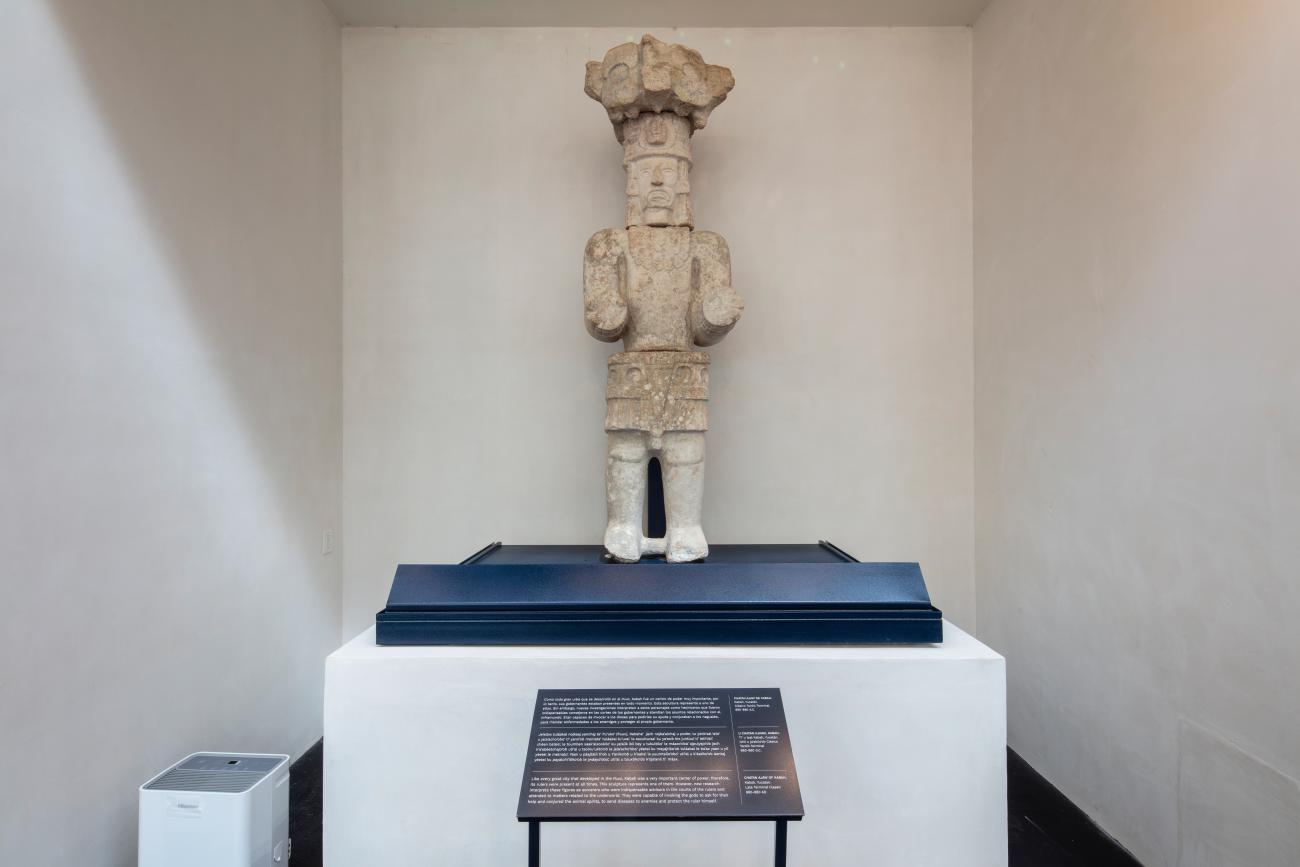
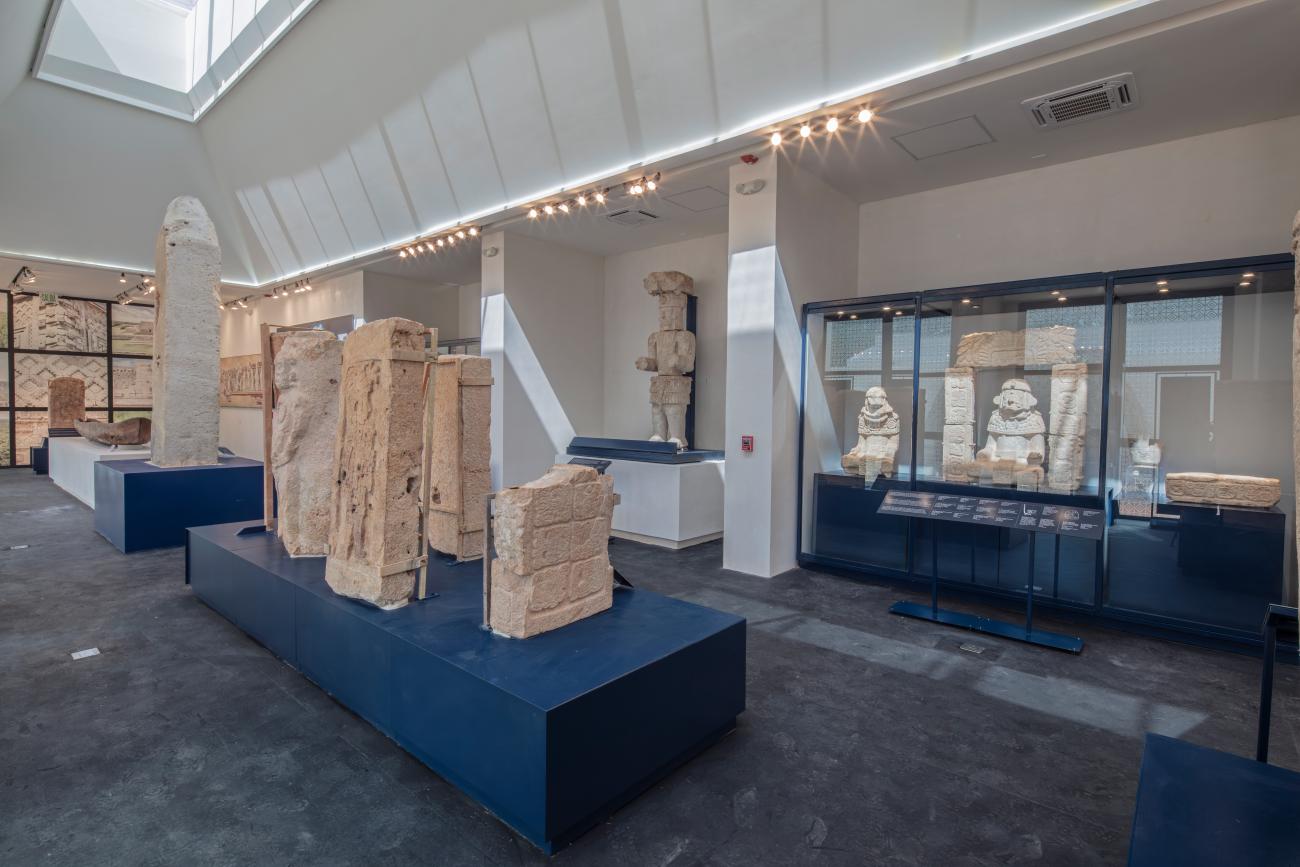
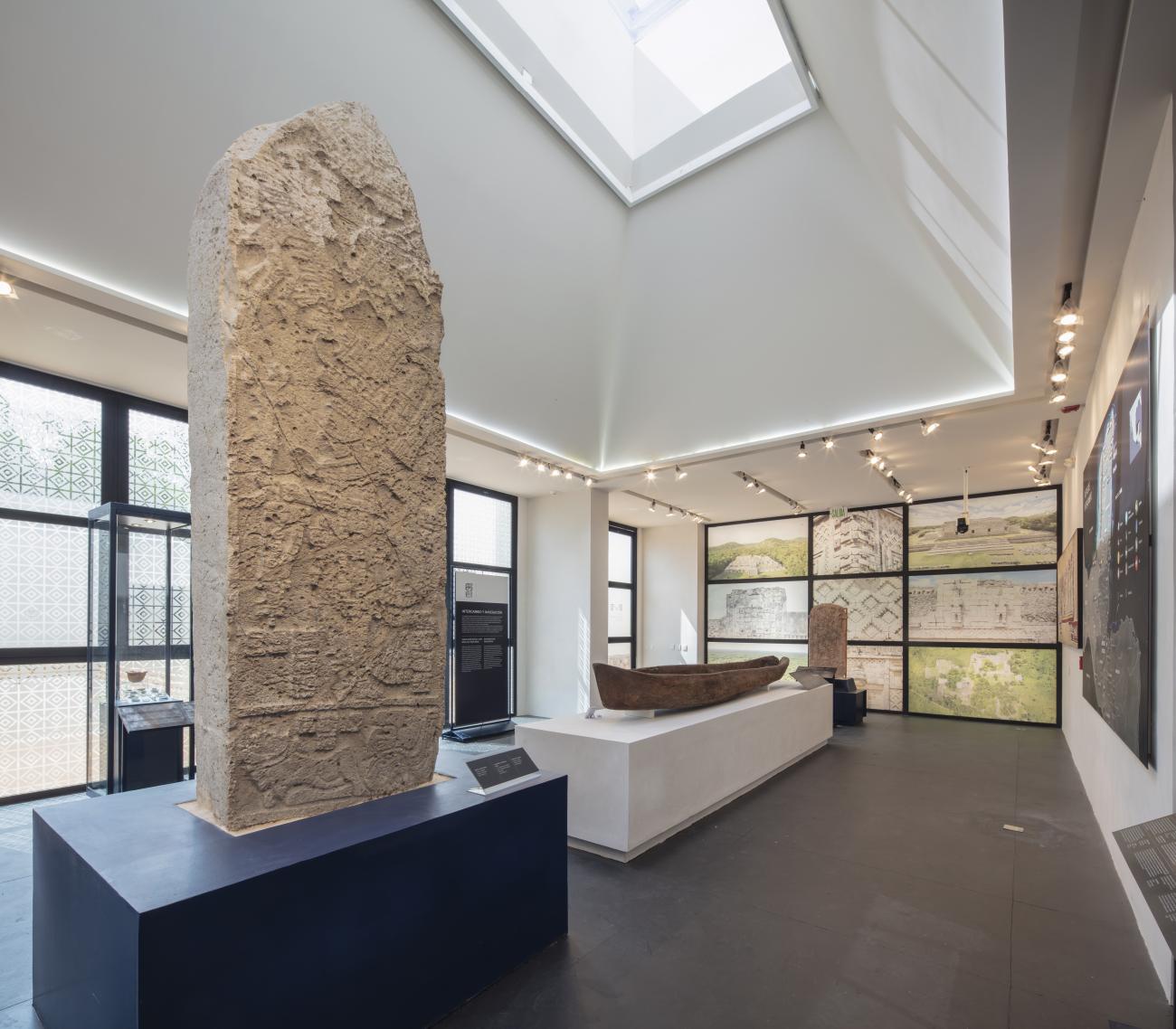
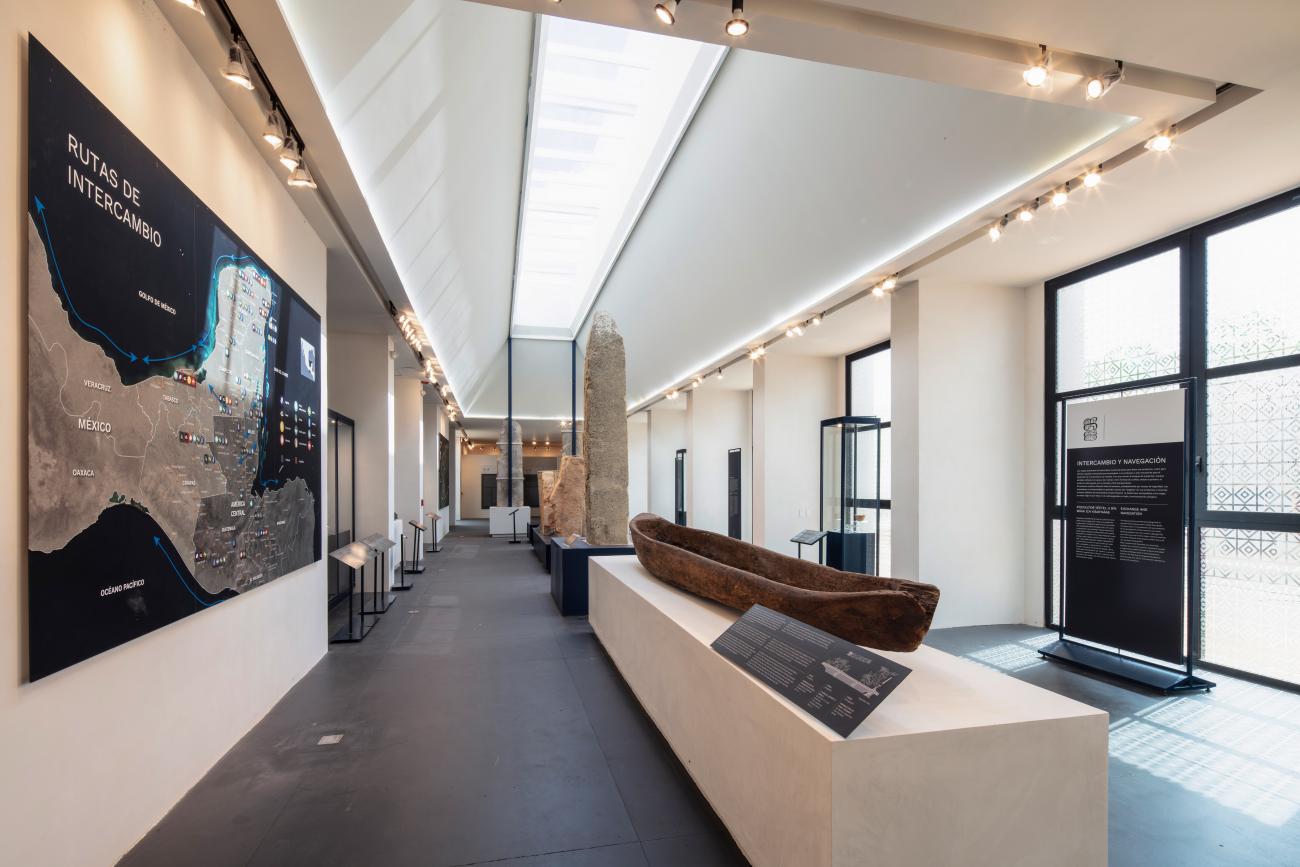
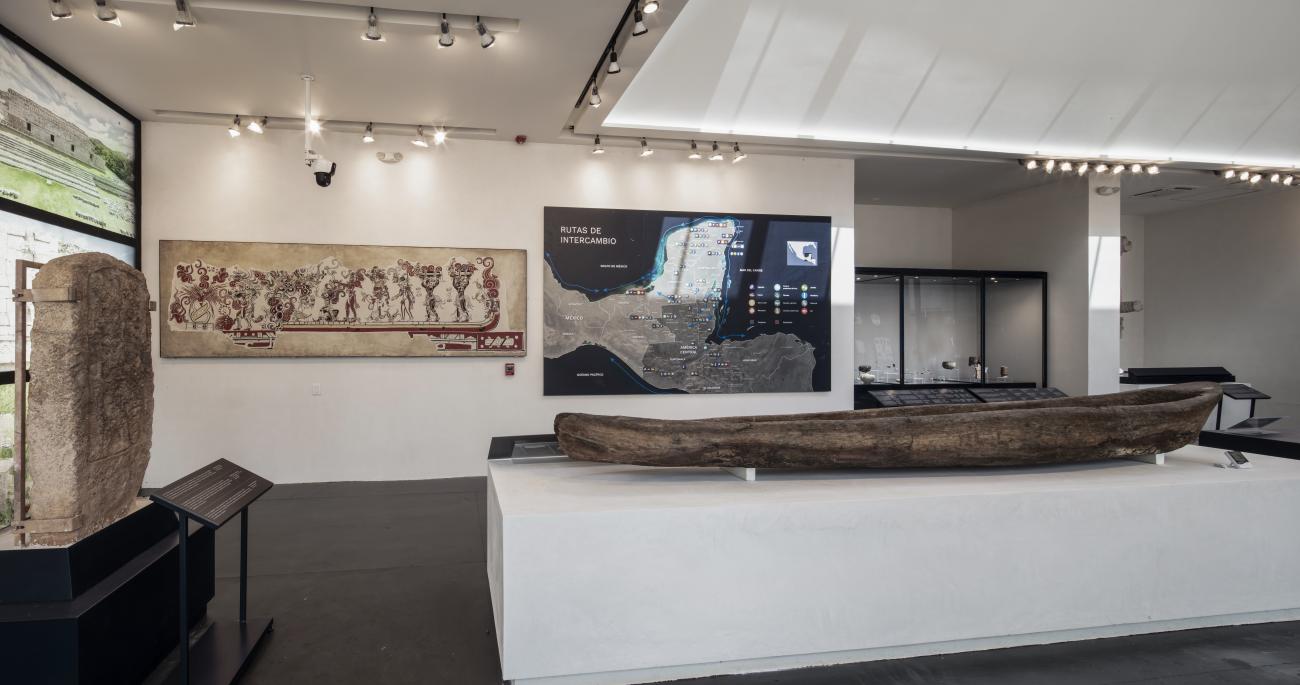
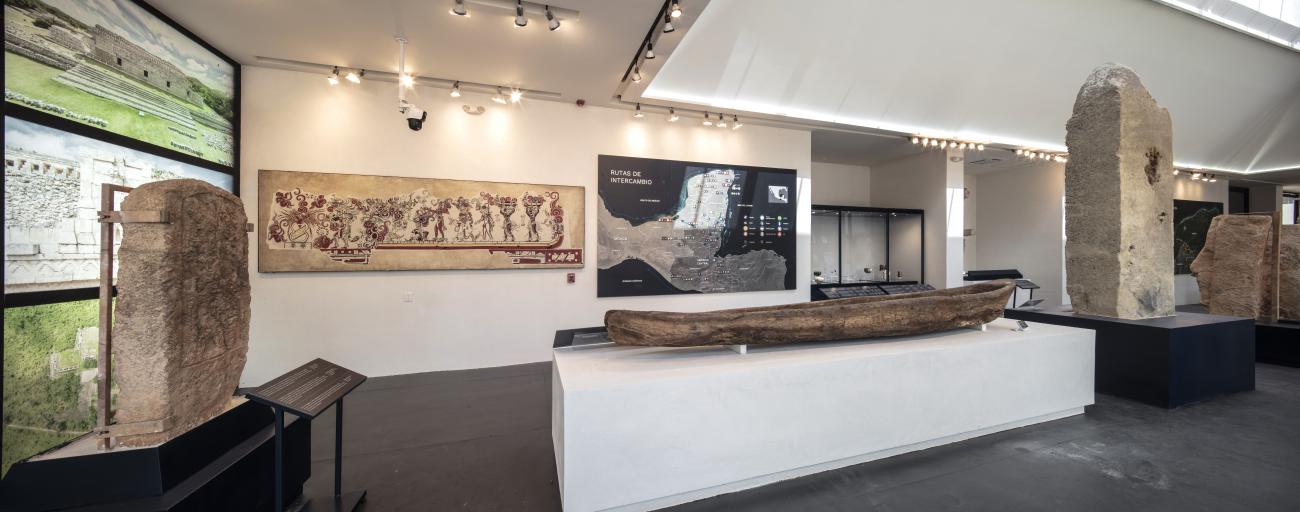
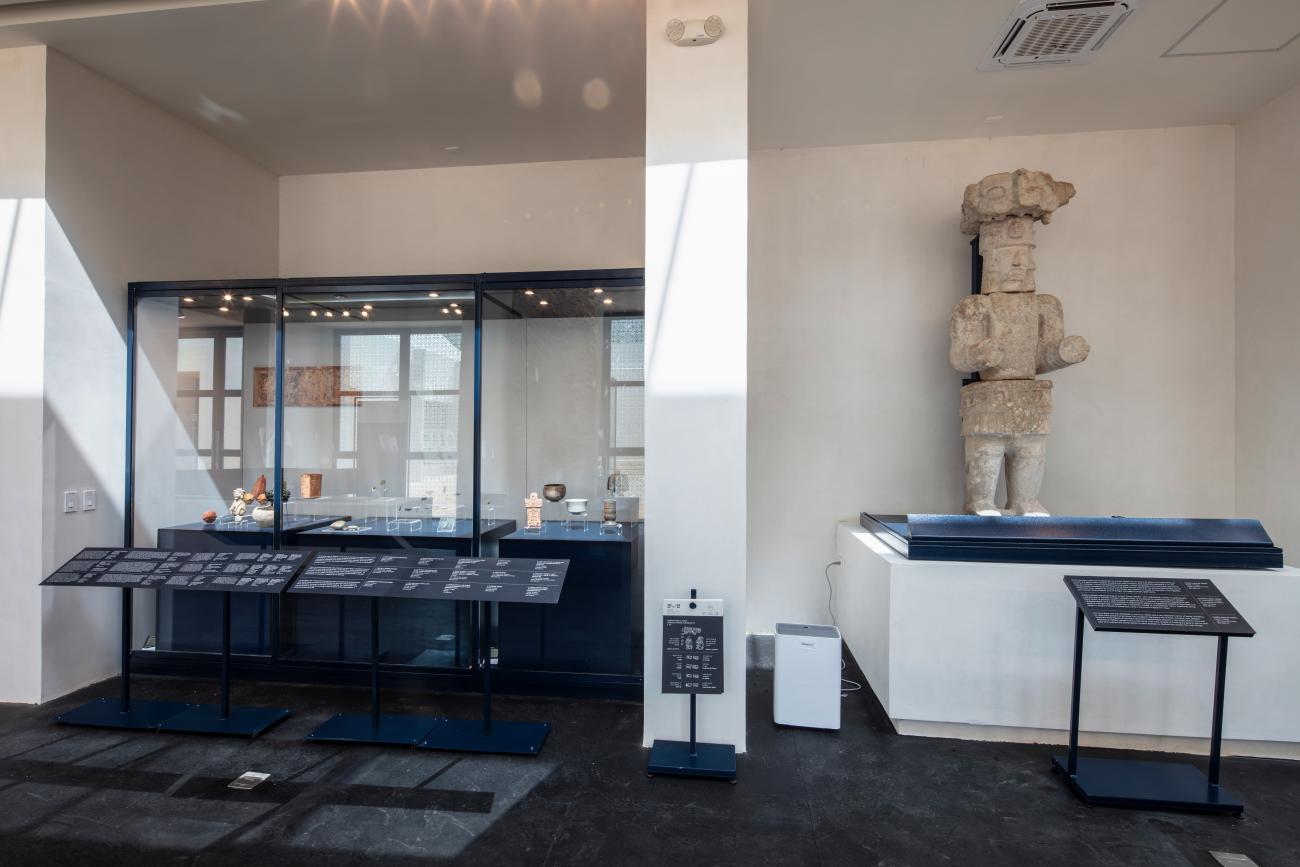
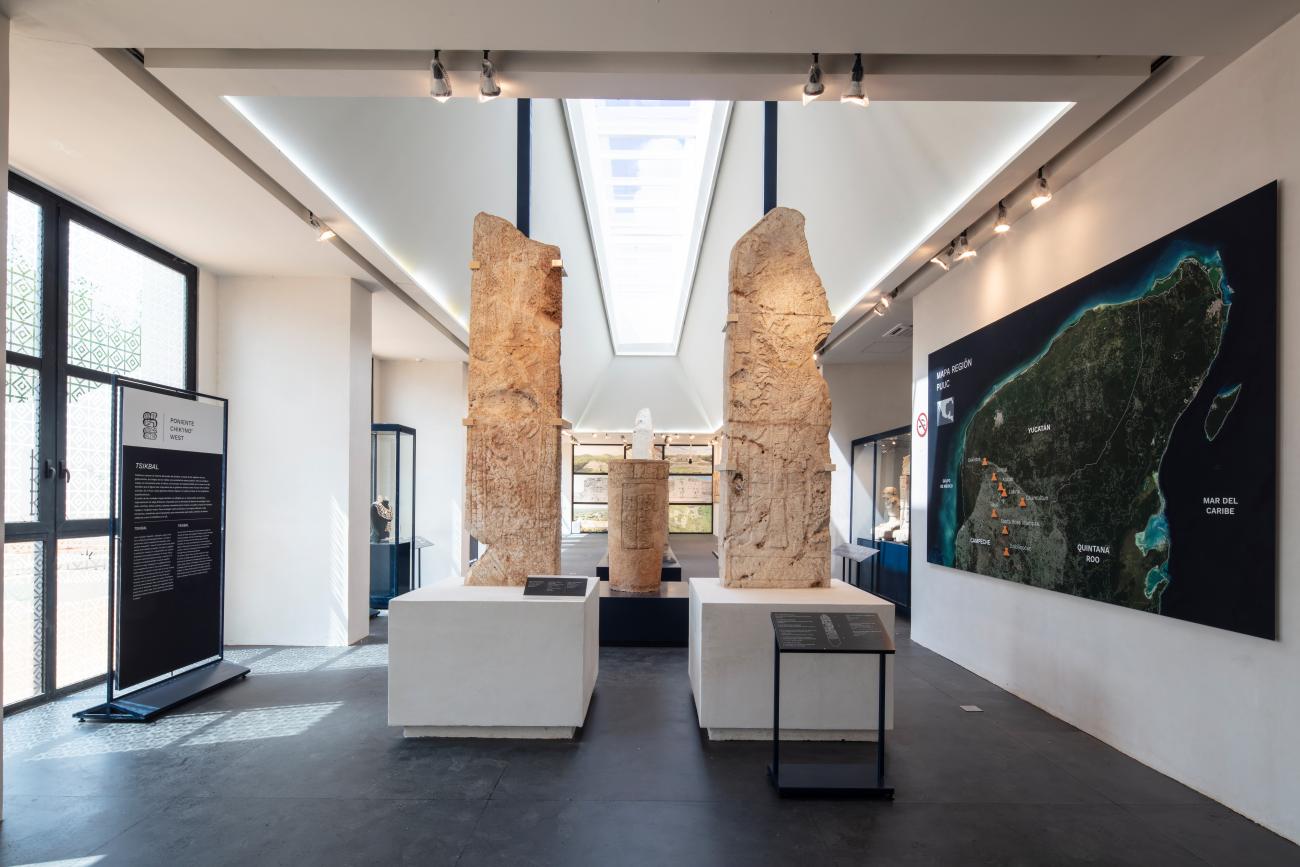
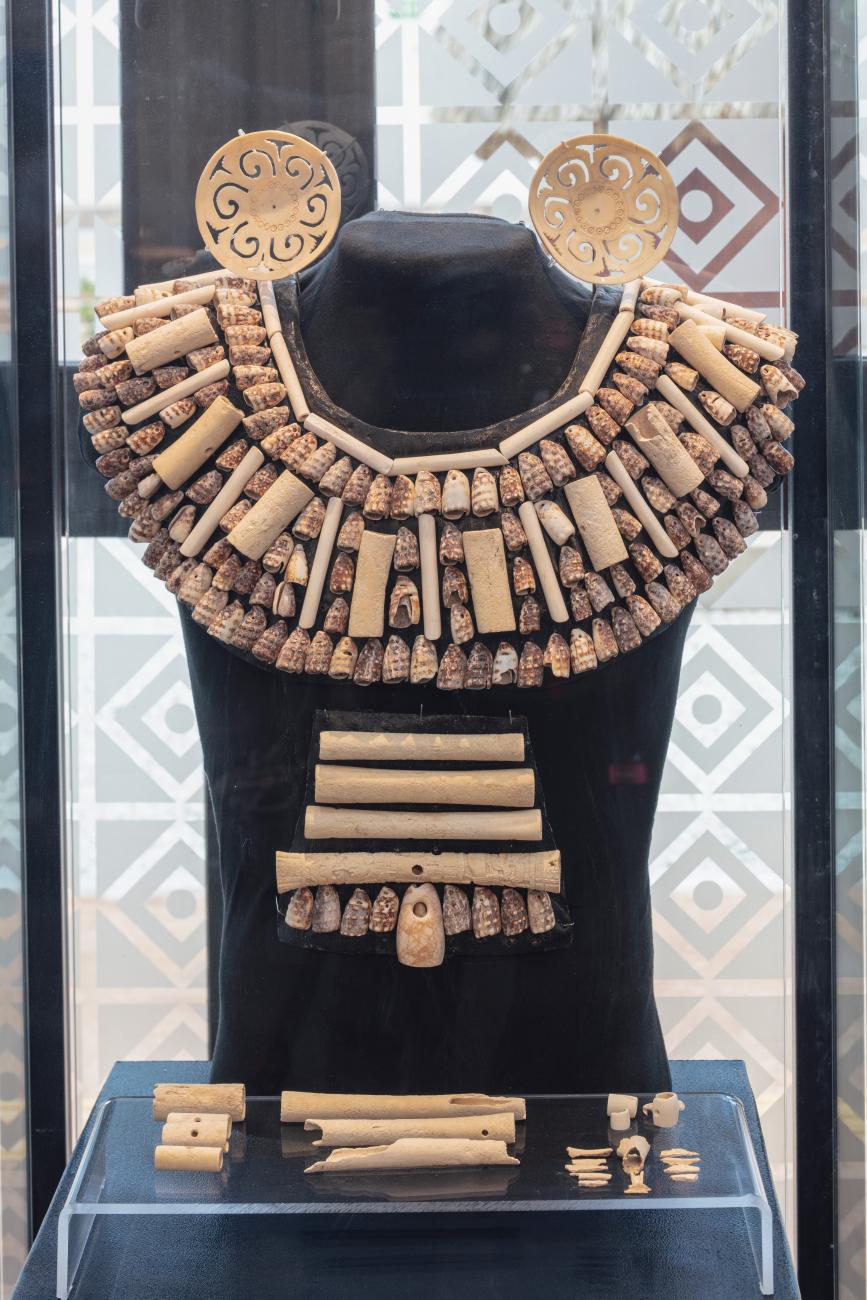
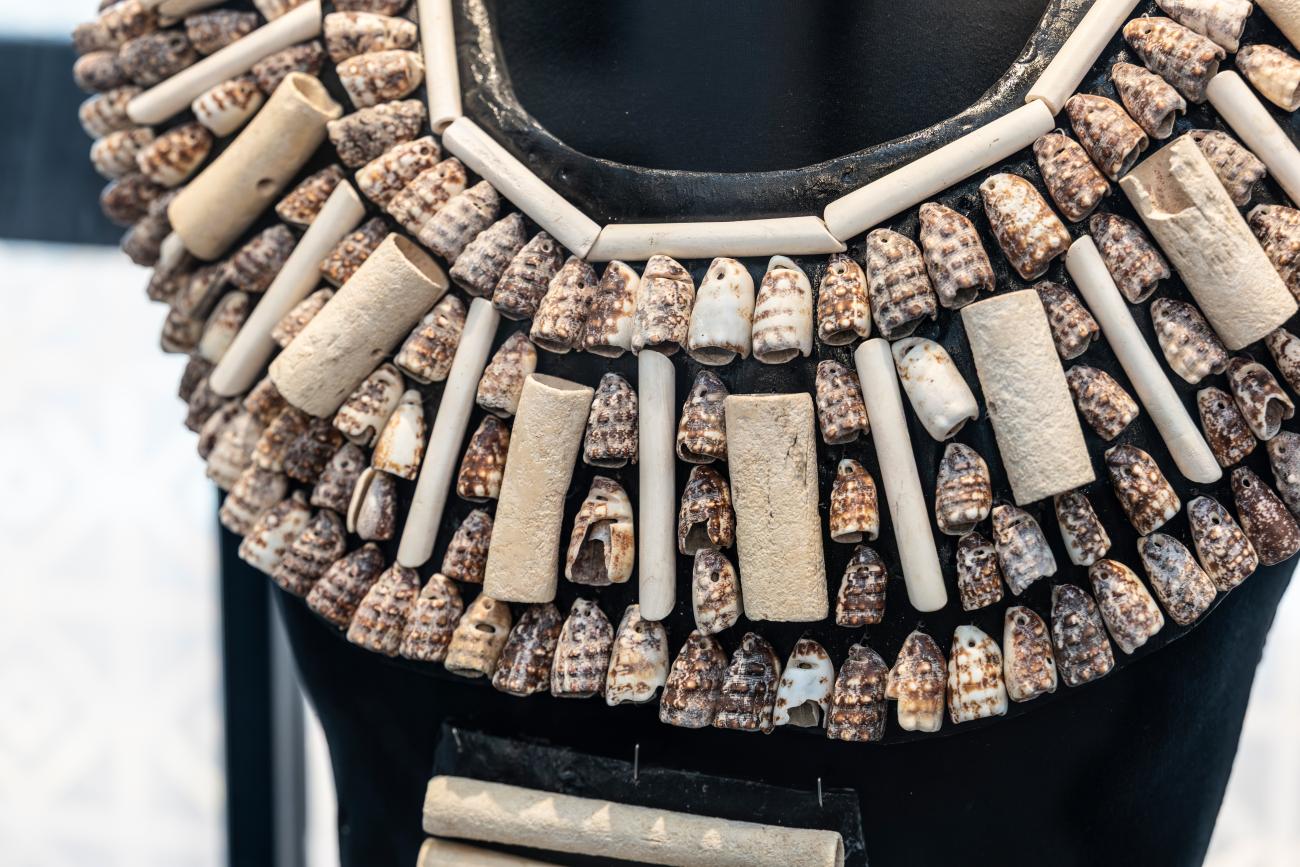
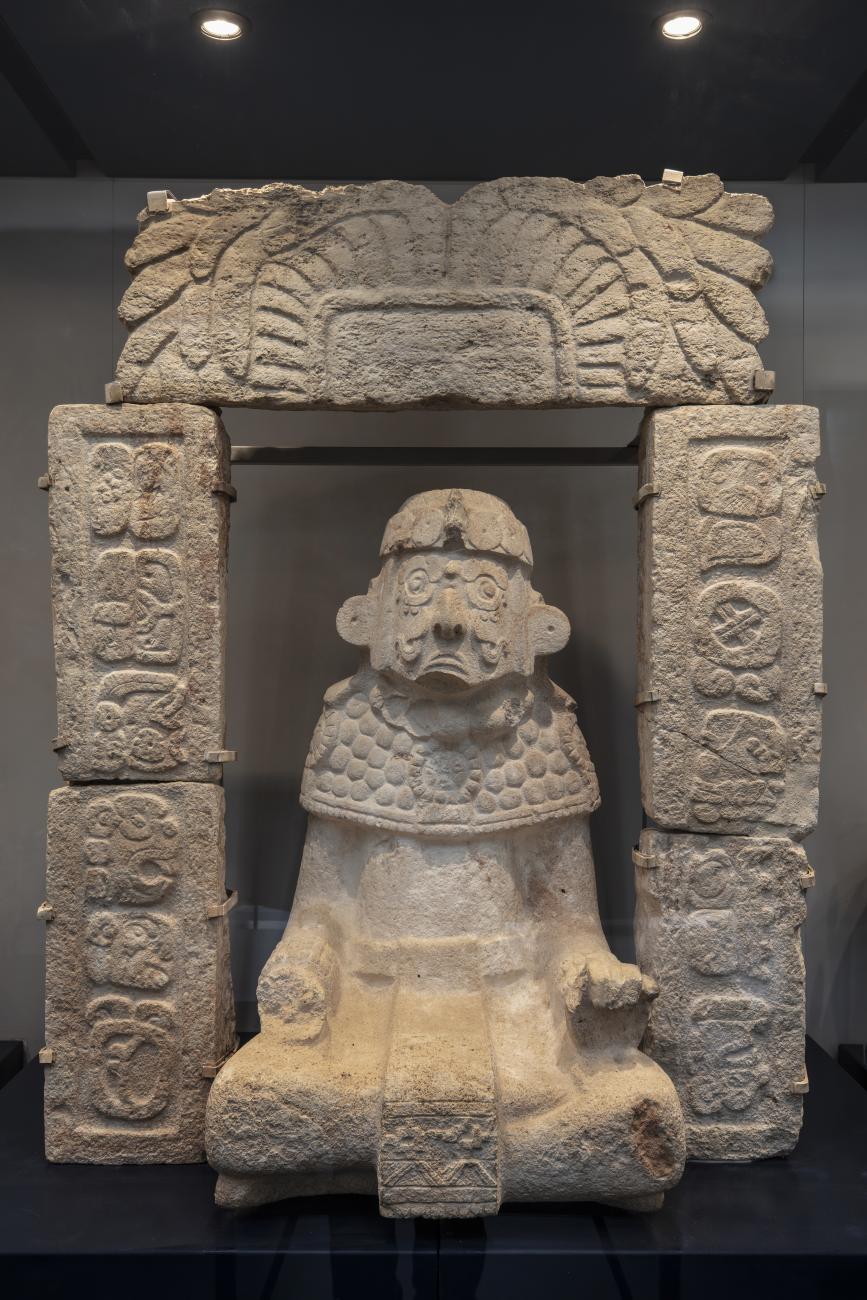
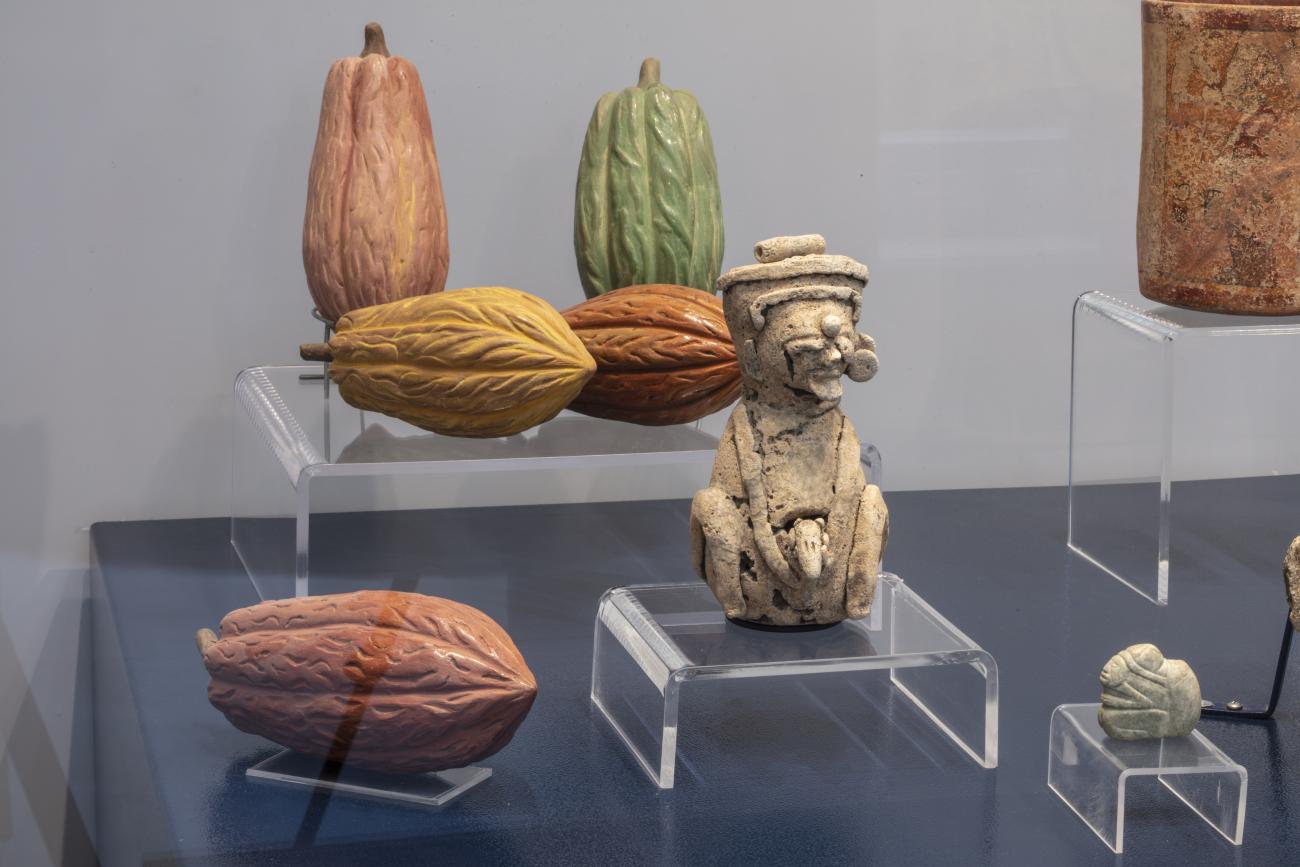
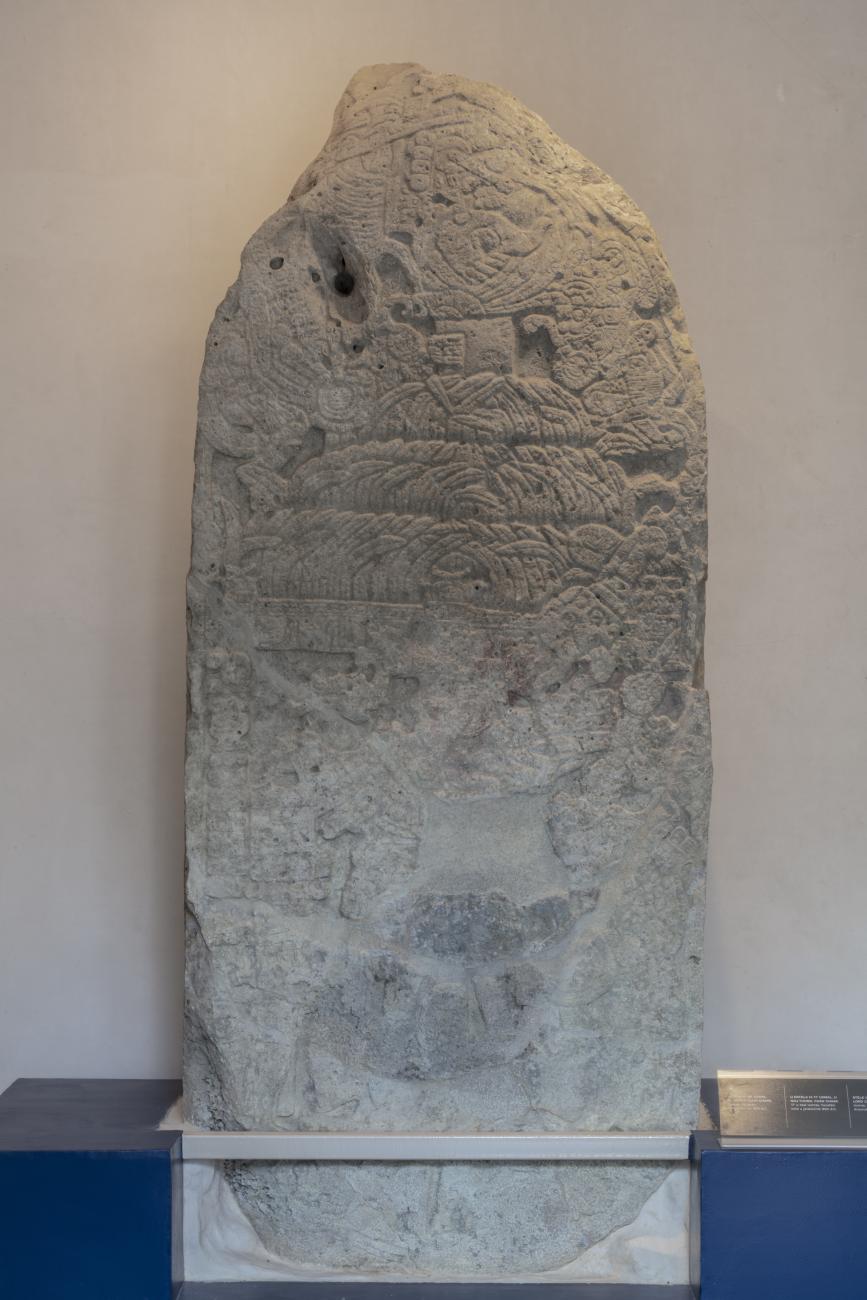
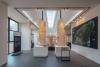
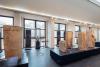
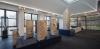
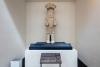
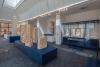
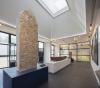
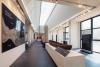
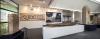
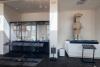
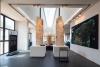
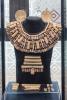
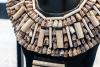
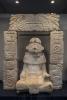
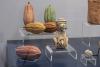
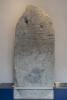
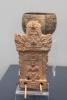
Explore the power of the Maya rulers, highlighting their lineages and the connection they established between the human and divine worlds. It also explains how ancient cities demonstrated their authority through grand structures and an extensive trade network. Valuable goods such as jade, obsidian, feathers, and other commodities traveled along these routes, strengthening economic and political ties between different Maya cities.
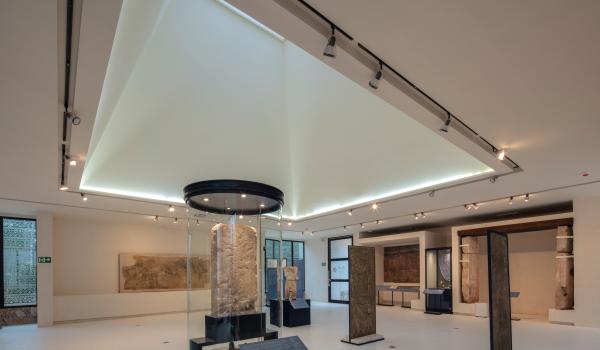
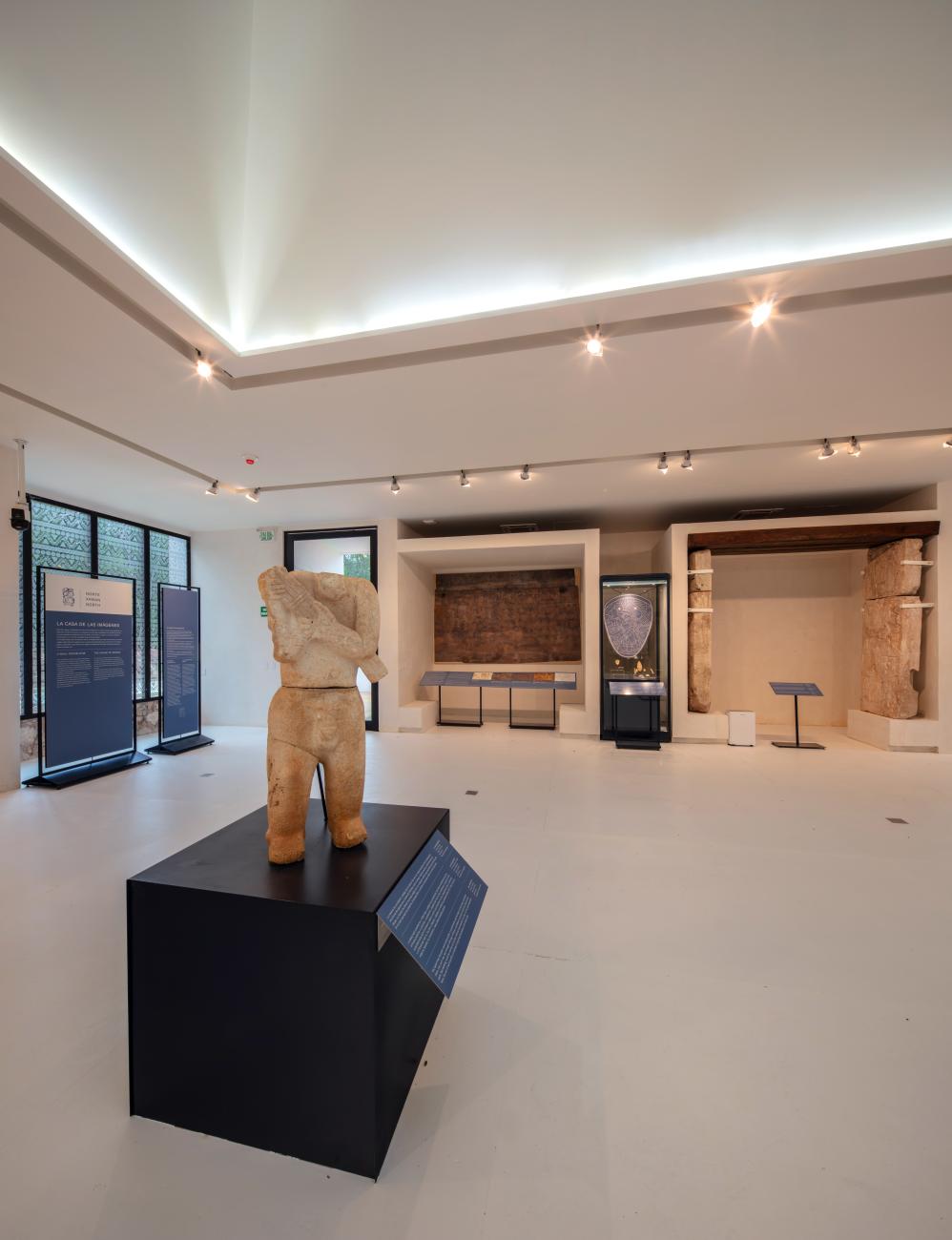
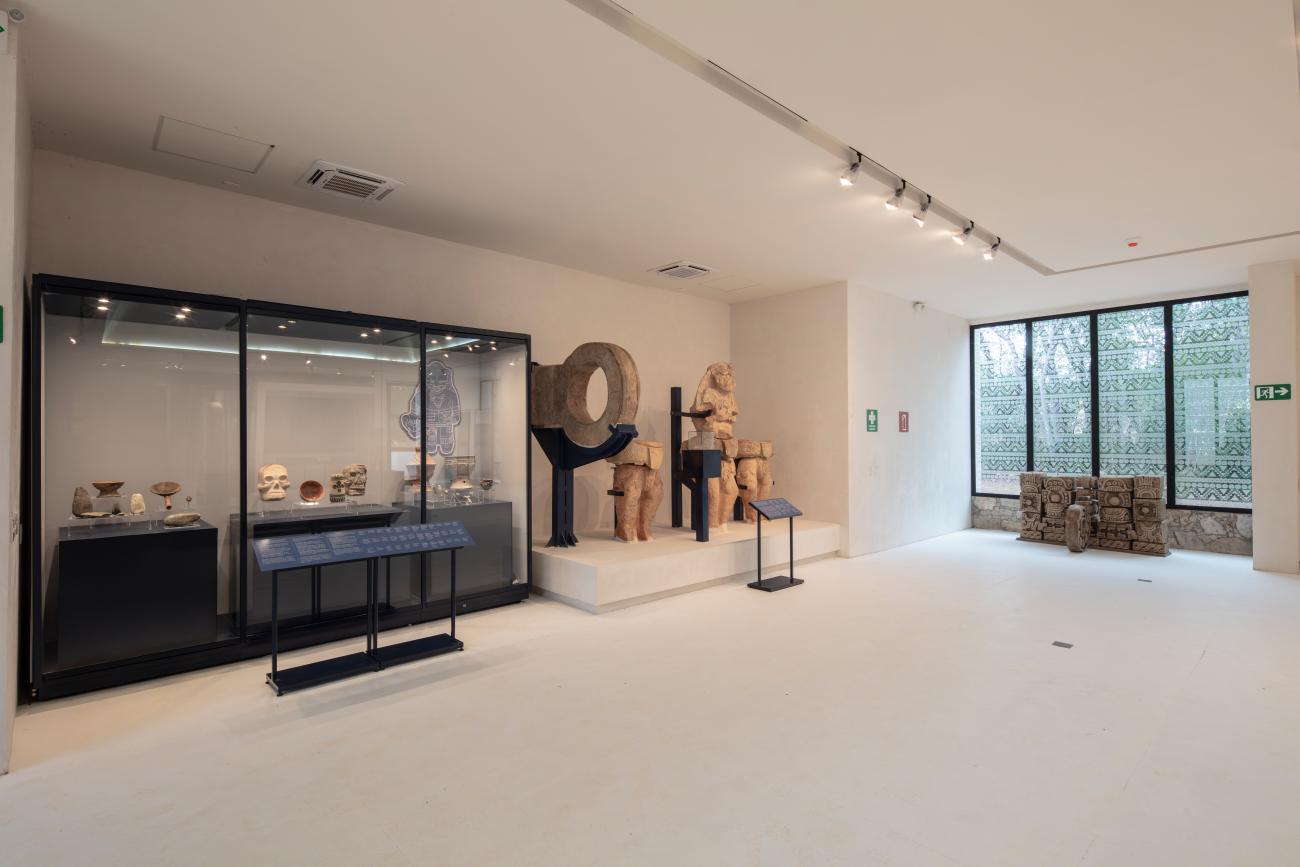
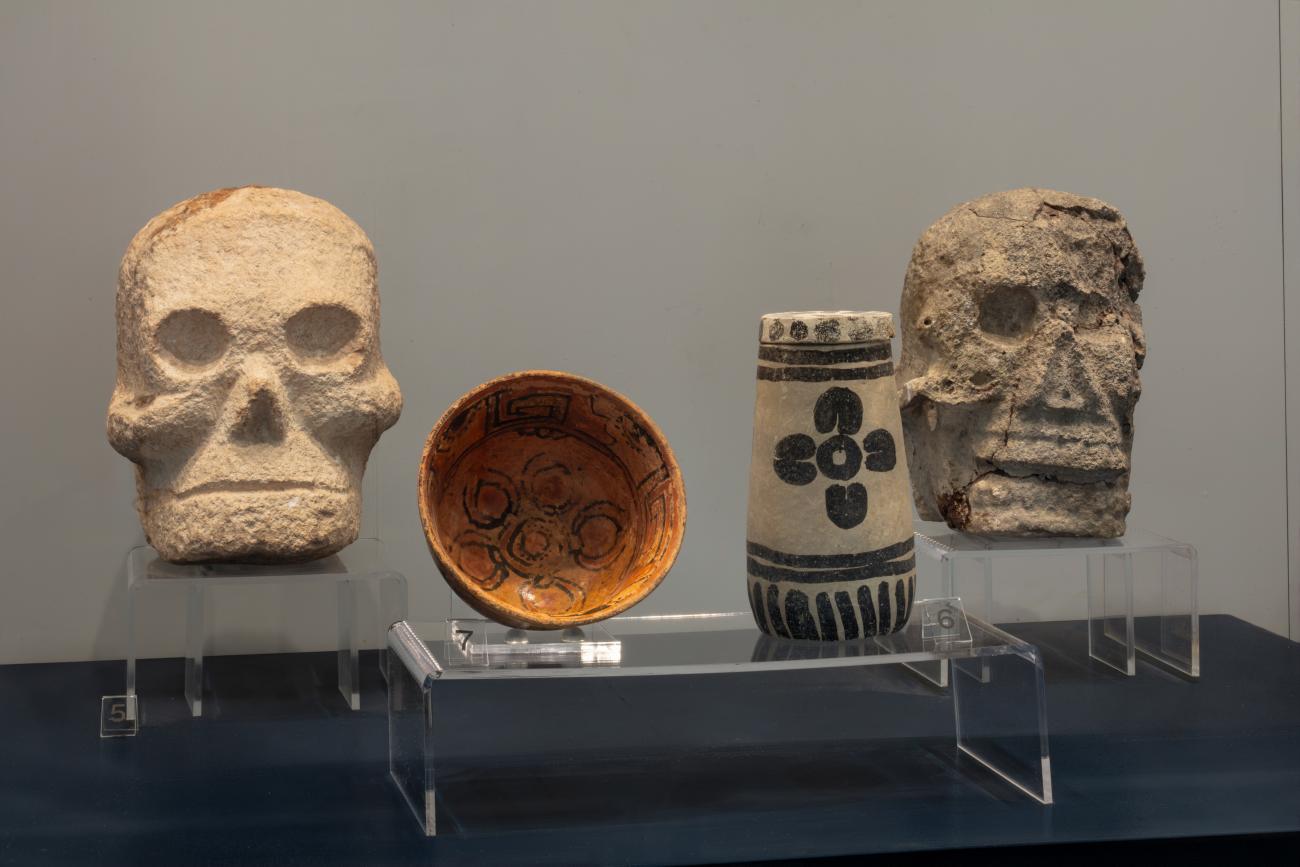
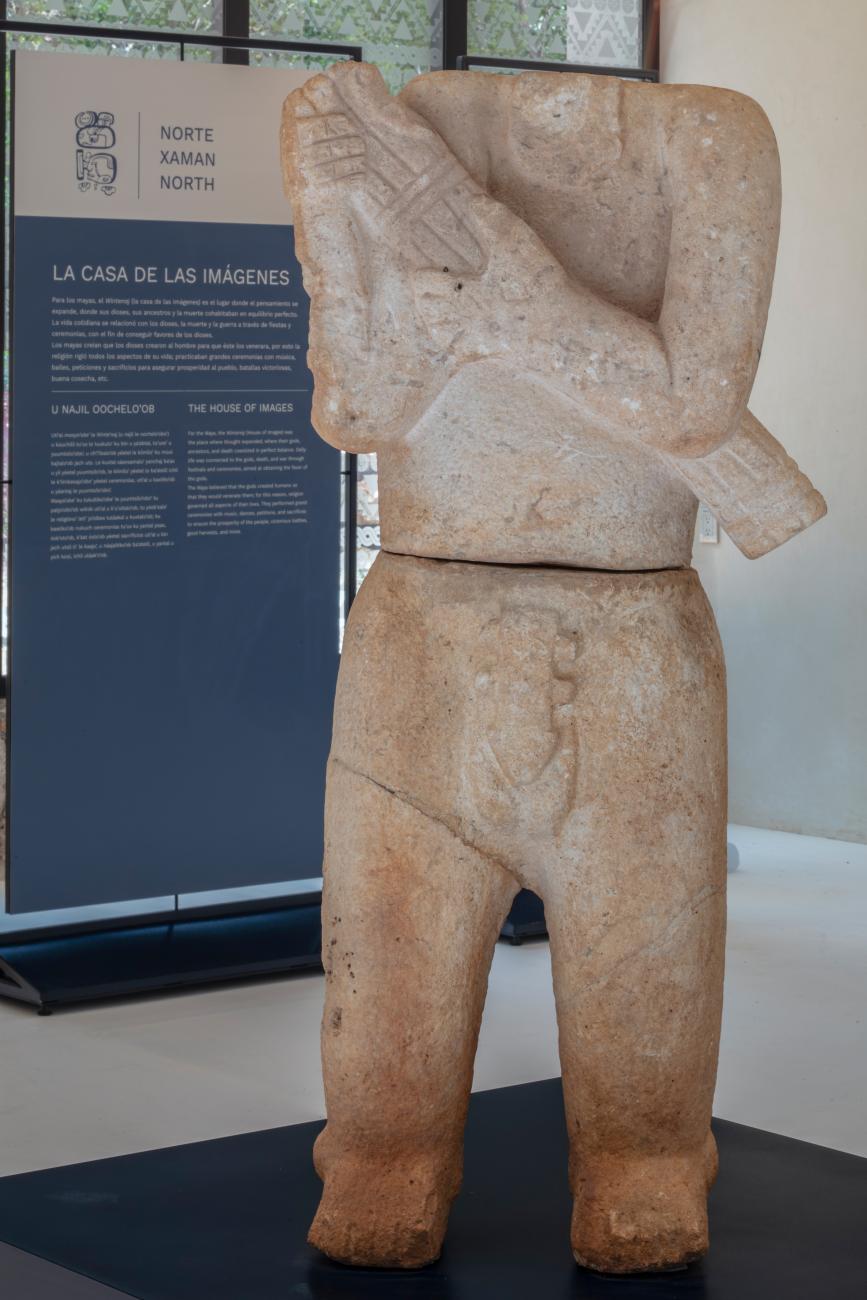
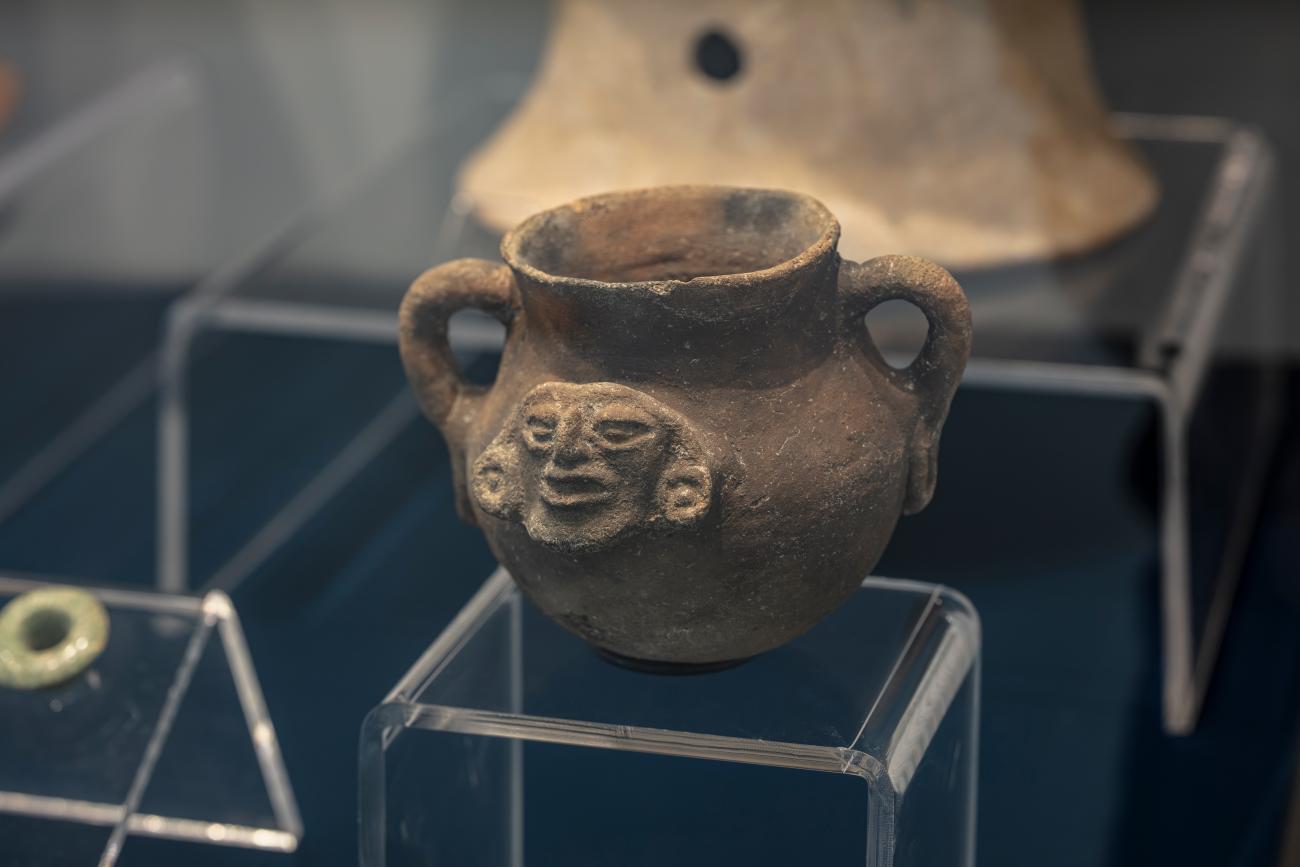
Sala Norte, La casa de las imágenes (Wíinte'naj)
It presents the religious and symbolic universe of the Maya, illustrating the relationship between gods, ancestors, and the underworld. Through various objects, it explains how these forces were connected and formed a fundamental balance in the Maya view of the cosmos, death, and life.
Sala Norte, La casa de las imágenes (Wíinte'naj)
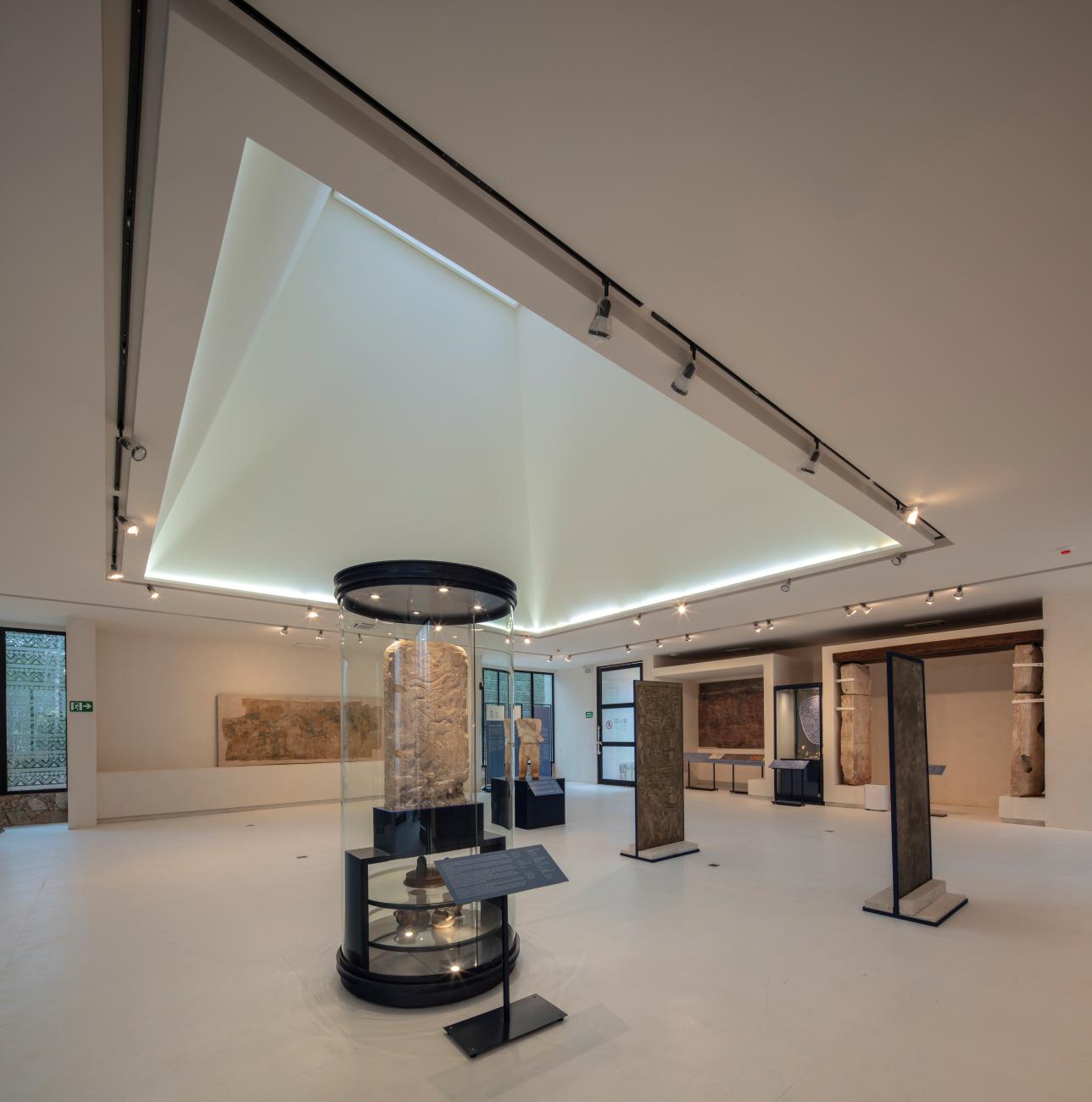
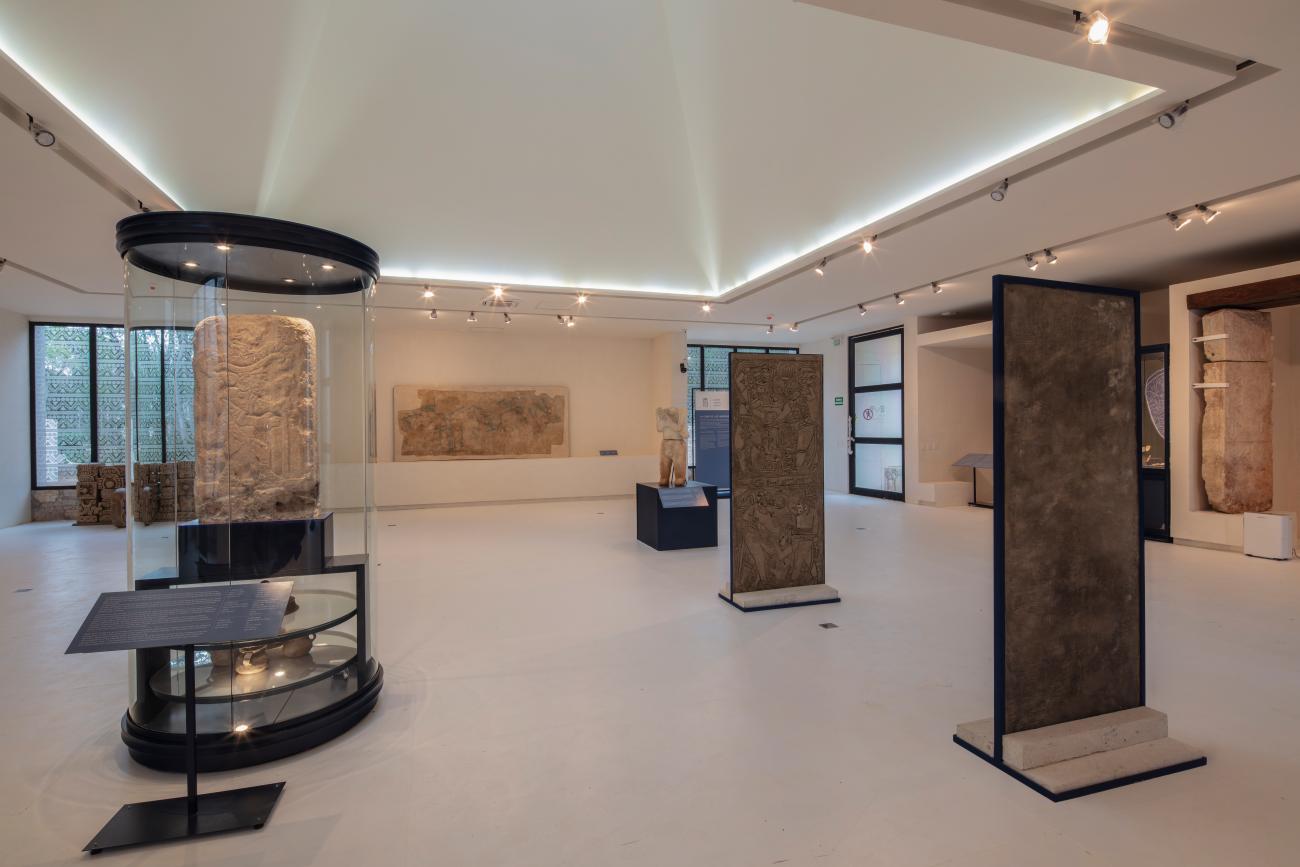
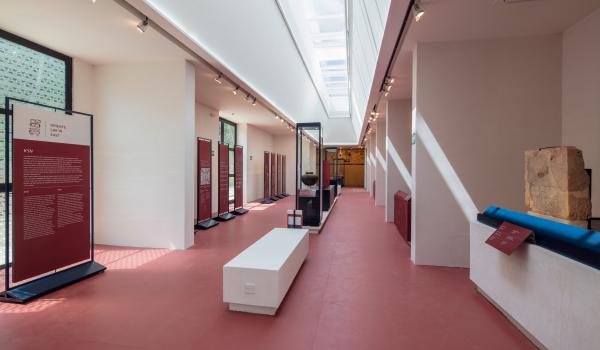
Sala Oriente, El tiempo (K'in)
It is dedicated to the Maya conception of space and time, in which the k’in, or Sun, played a central role. It explains the main Maya calendars—the Long Count, the Haab, and the Tzolk’in—and the astronomical knowledge that made their development possible. It also shows how these systems governed…
Sala Oriente, El tiempo (K'in)
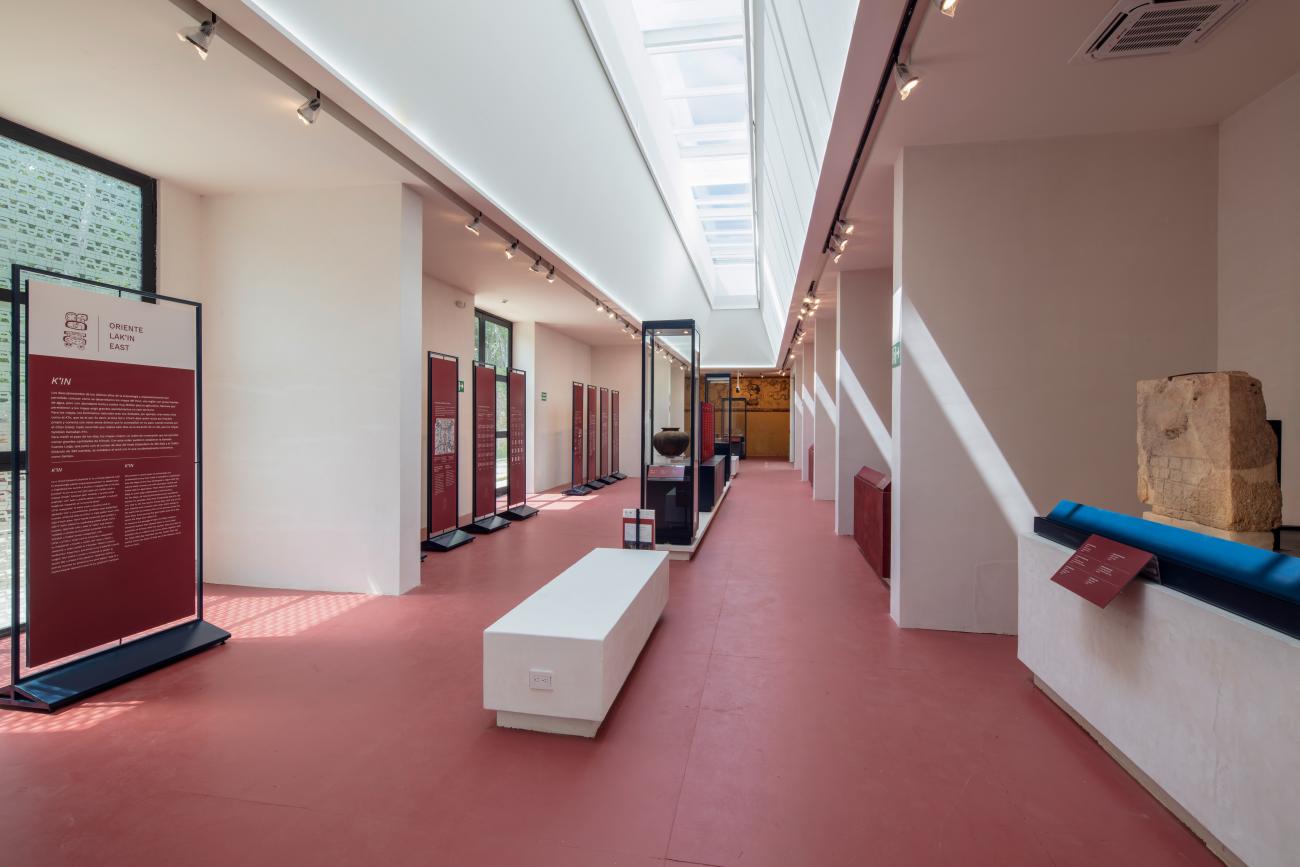
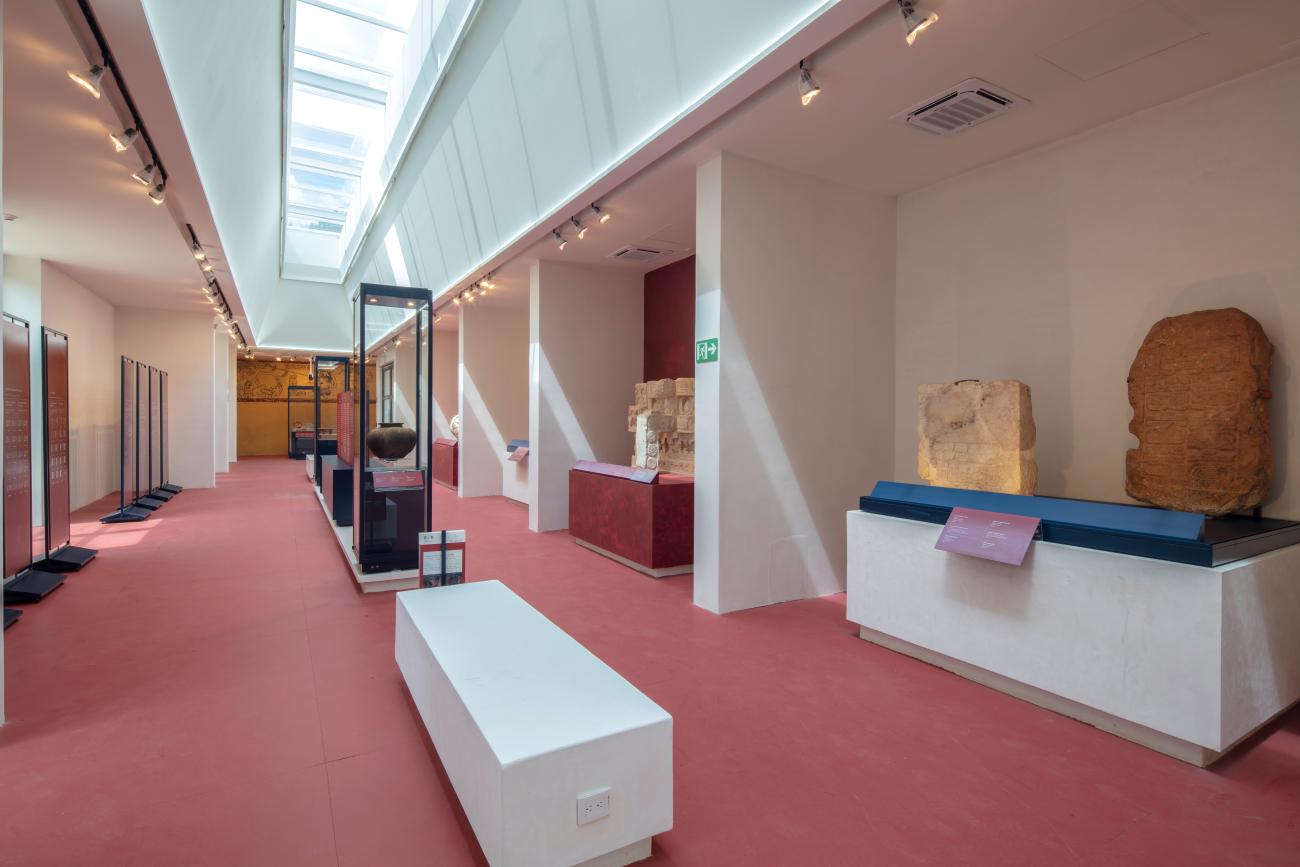
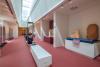
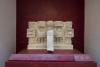
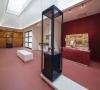
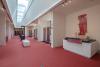
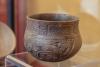
It is dedicated to the Maya conception of space and time, in which the k’in, or Sun, played a central role. It explains the main Maya calendars—the Long Count, the Haab, and the Tzolk’in—and the astronomical knowledge that made their development possible. It also shows how these systems governed agriculture, politics, and ceremonies, and presents the history of archaeological research conducted in the region.
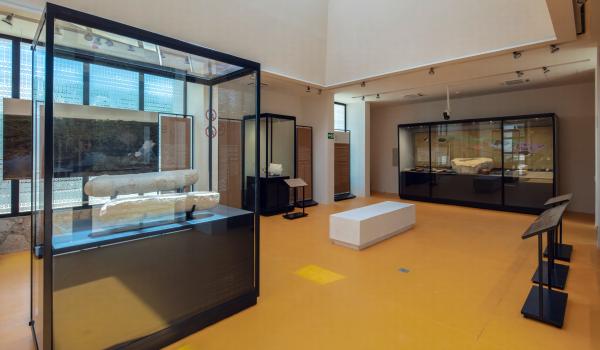
Sala Sur, La vivienda del hombre (Yotoch)
It is dedicated to the land (kab) and the way in which the Mayan communities of the Puuc interacted with their environment. It explains aspects of daily life, social organization, productive activities, and religious beliefs, highlighting the importance of the territory as the foundation of Mayan…
Sala Sur, La vivienda del hombre (Yotoch)
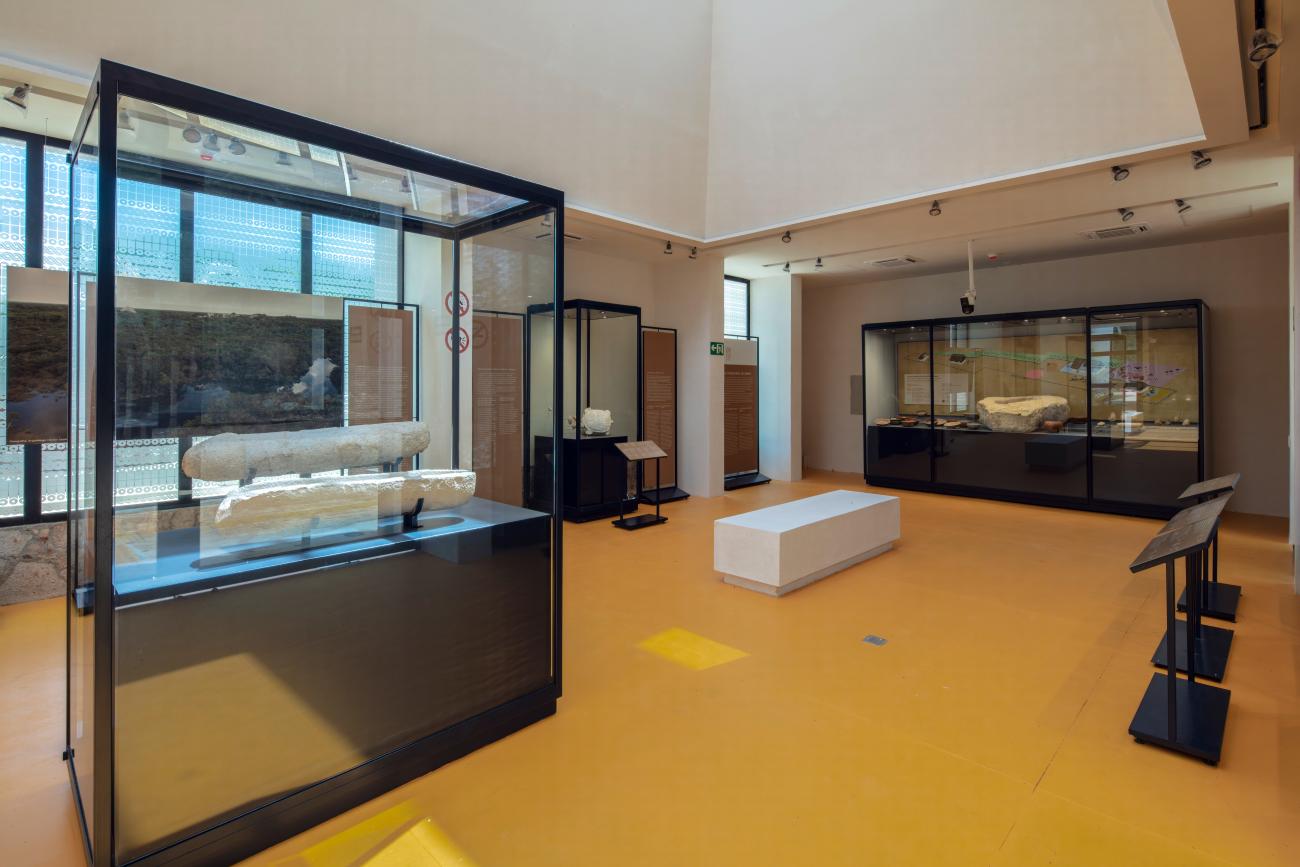
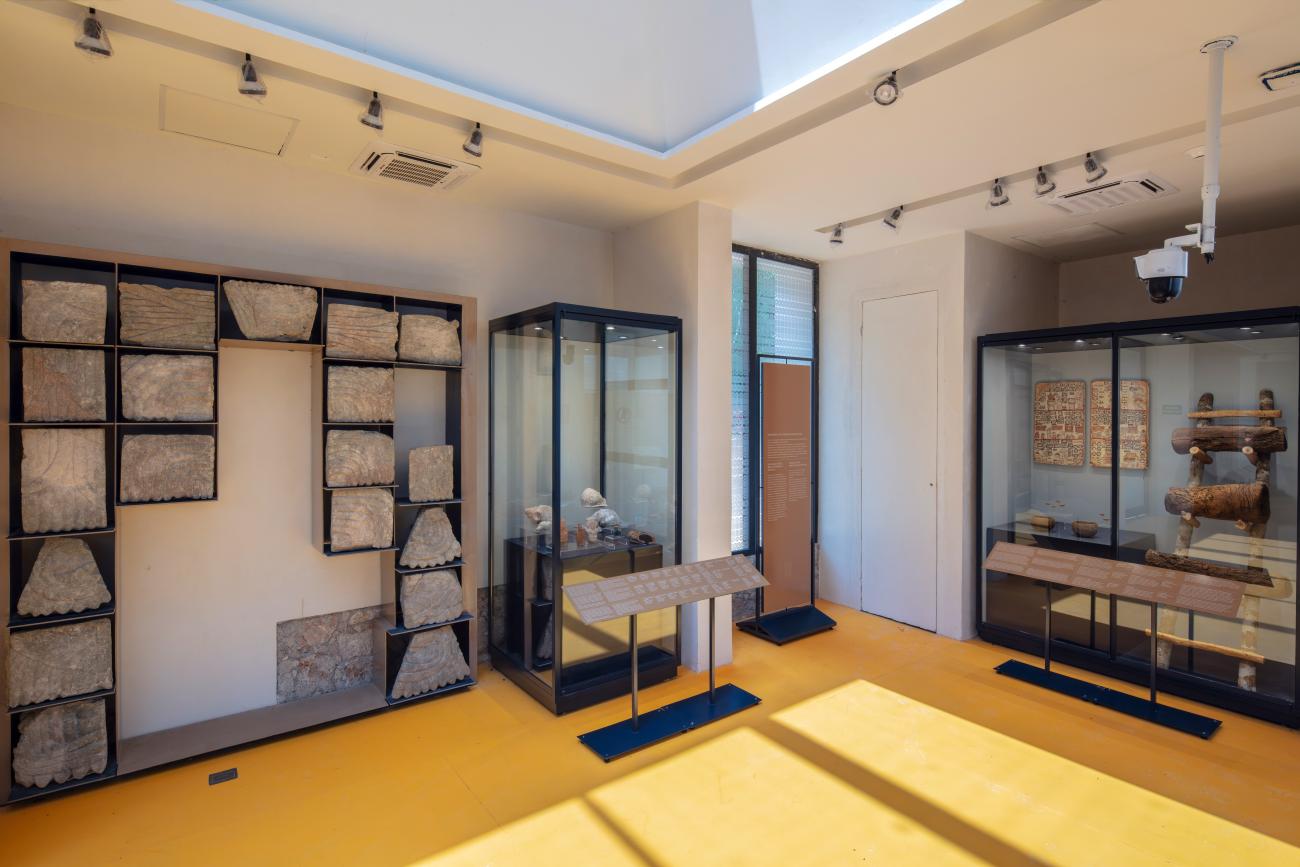
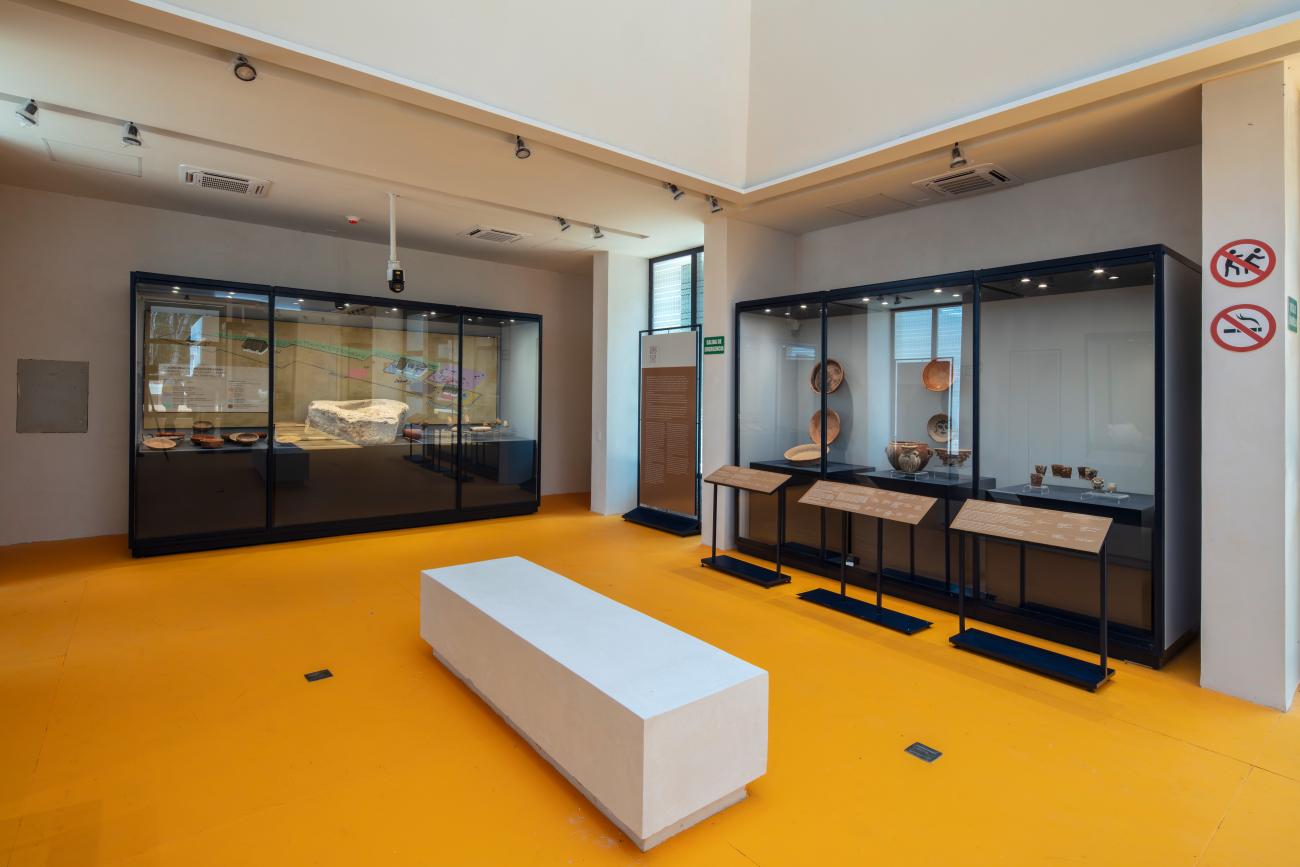
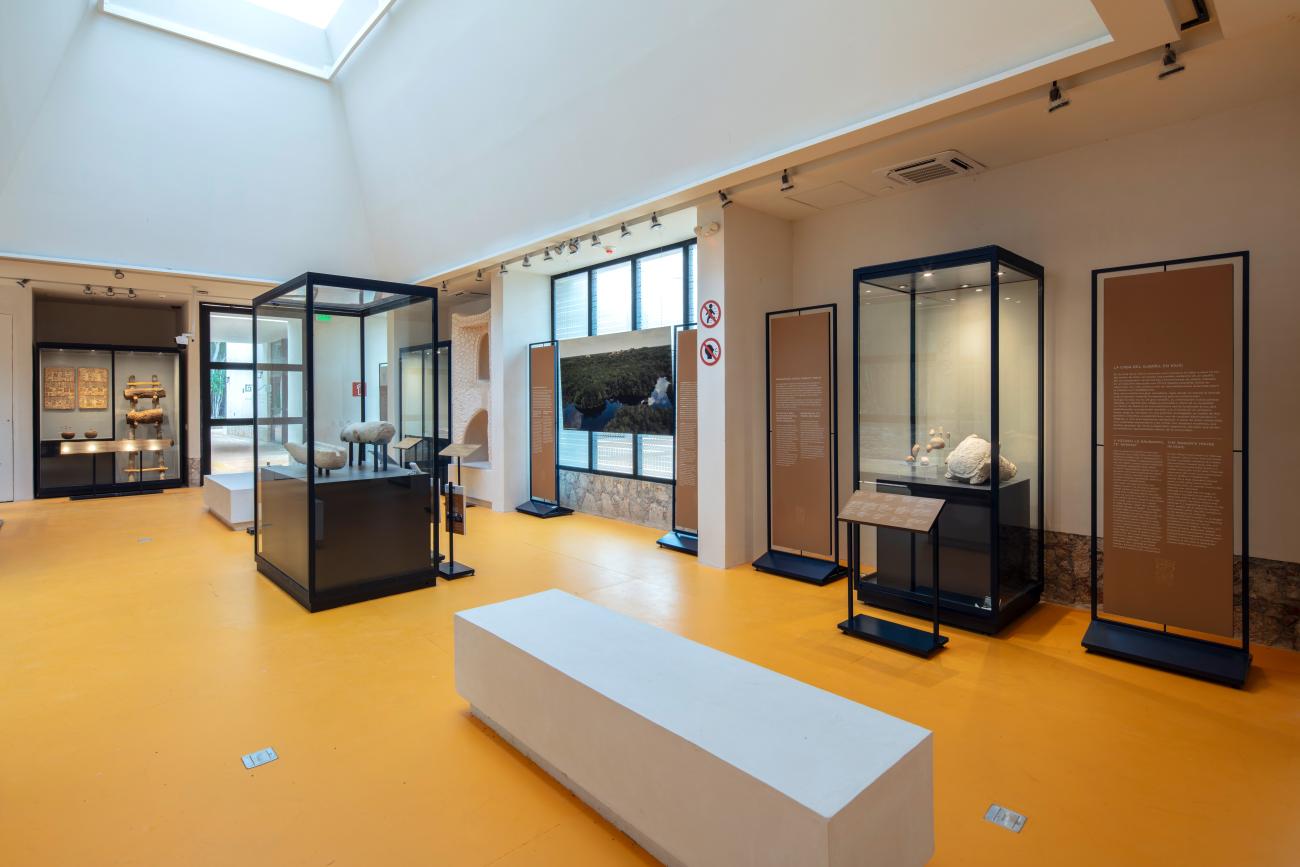
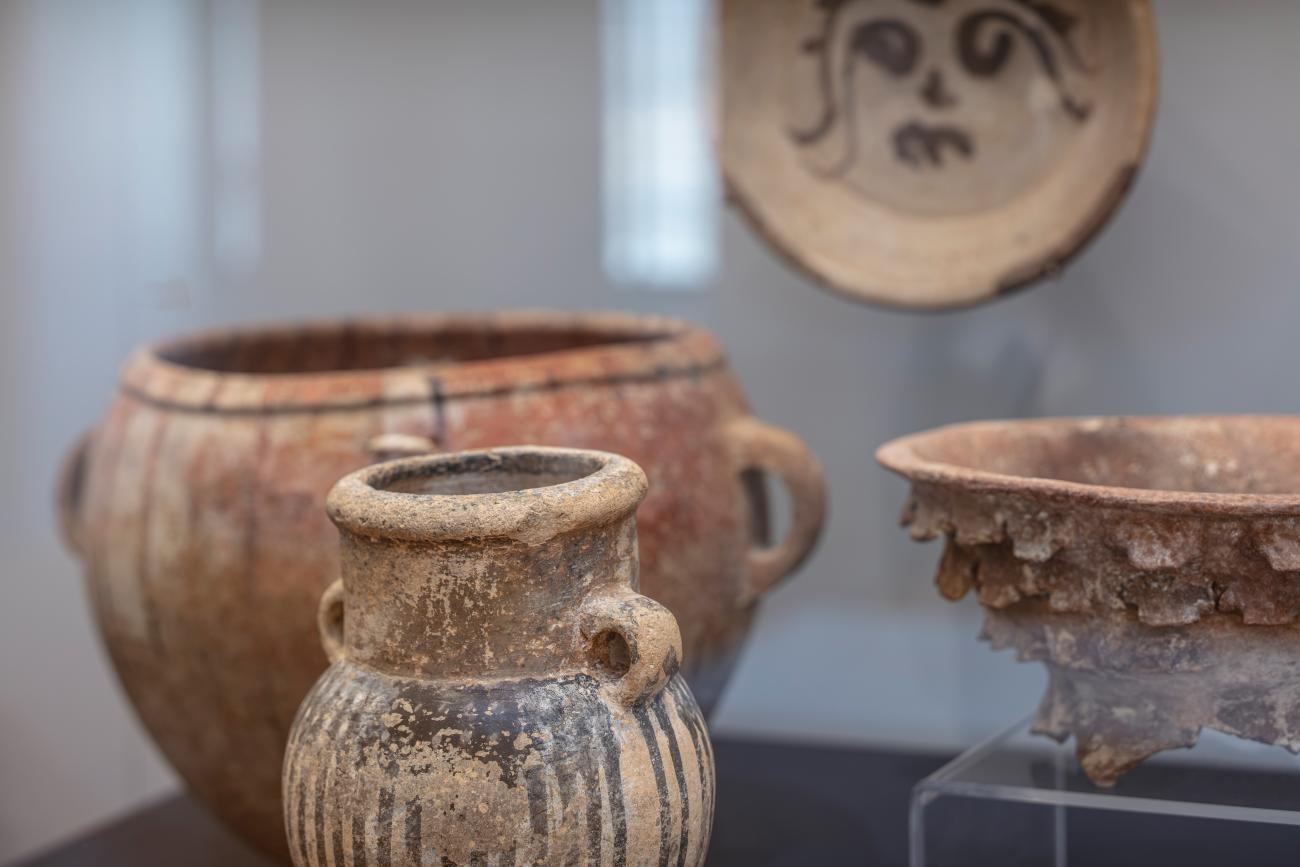
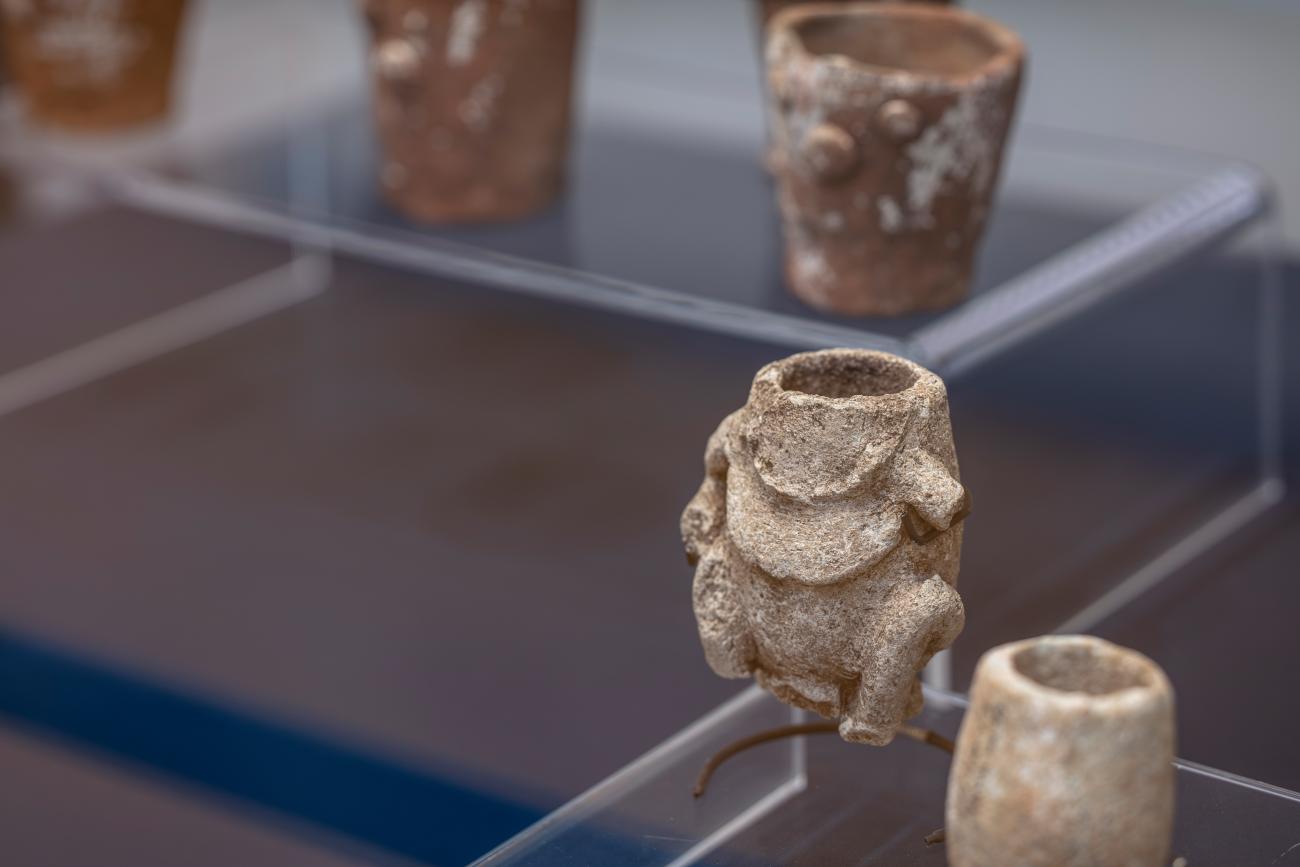
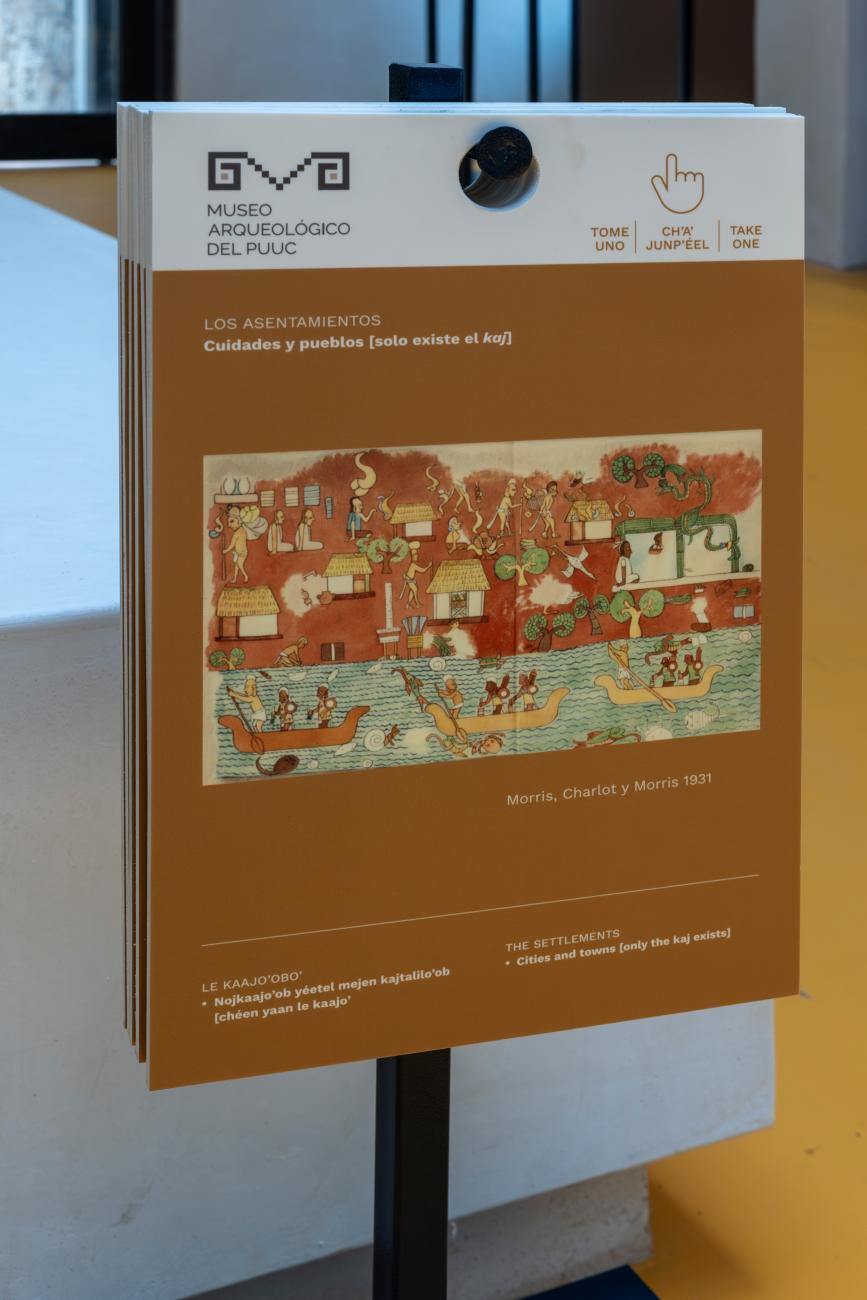
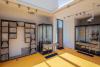
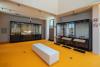
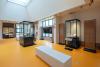
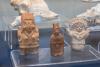
It is dedicated to the land (kab) and the way in which the Mayan communities of the Puuc interacted with their environment. It explains aspects of daily life, social organization, productive activities, and religious beliefs, highlighting the importance of the territory as the foundation of Mayan life and culture.
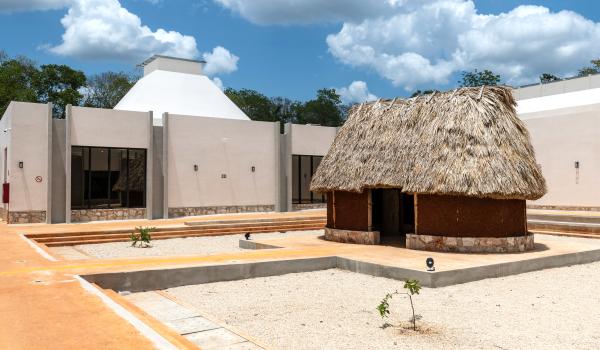
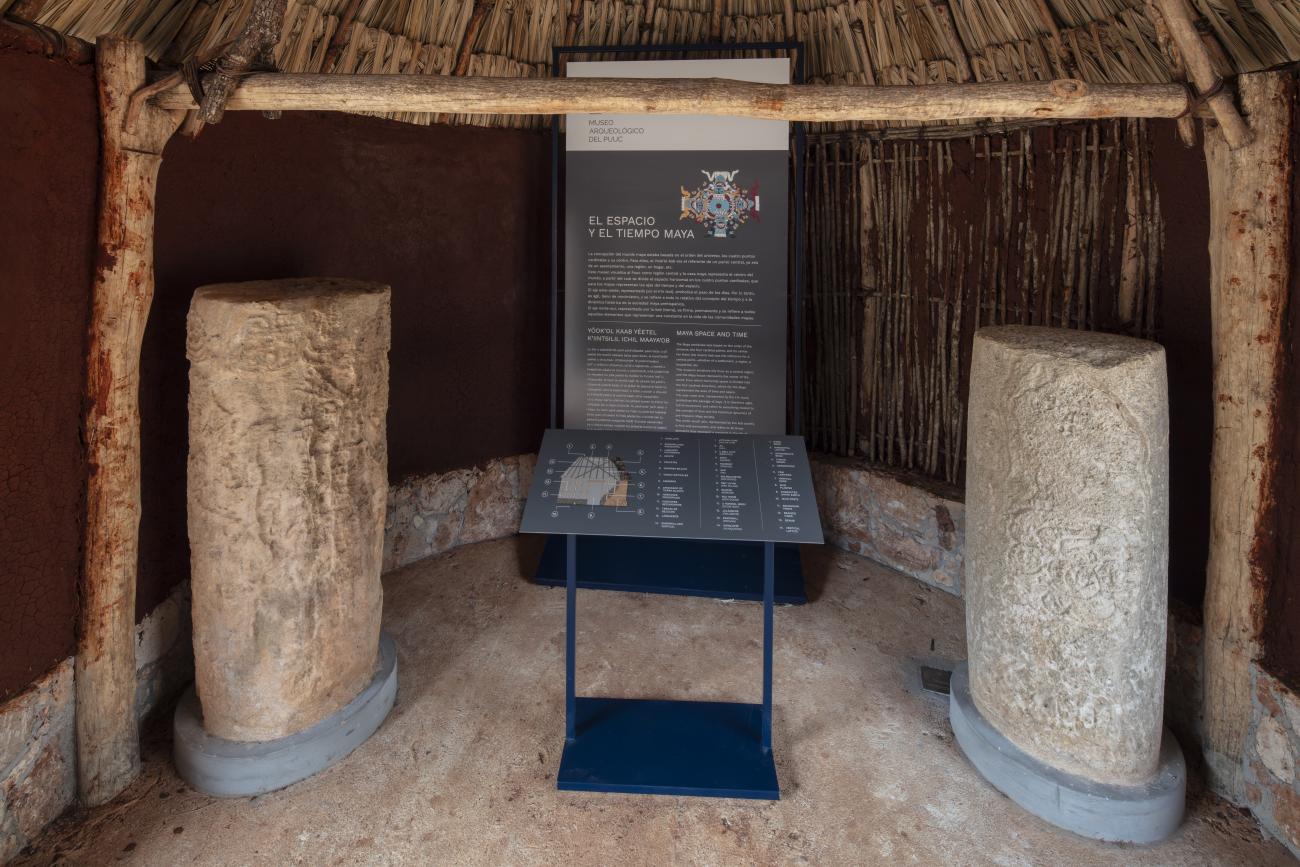
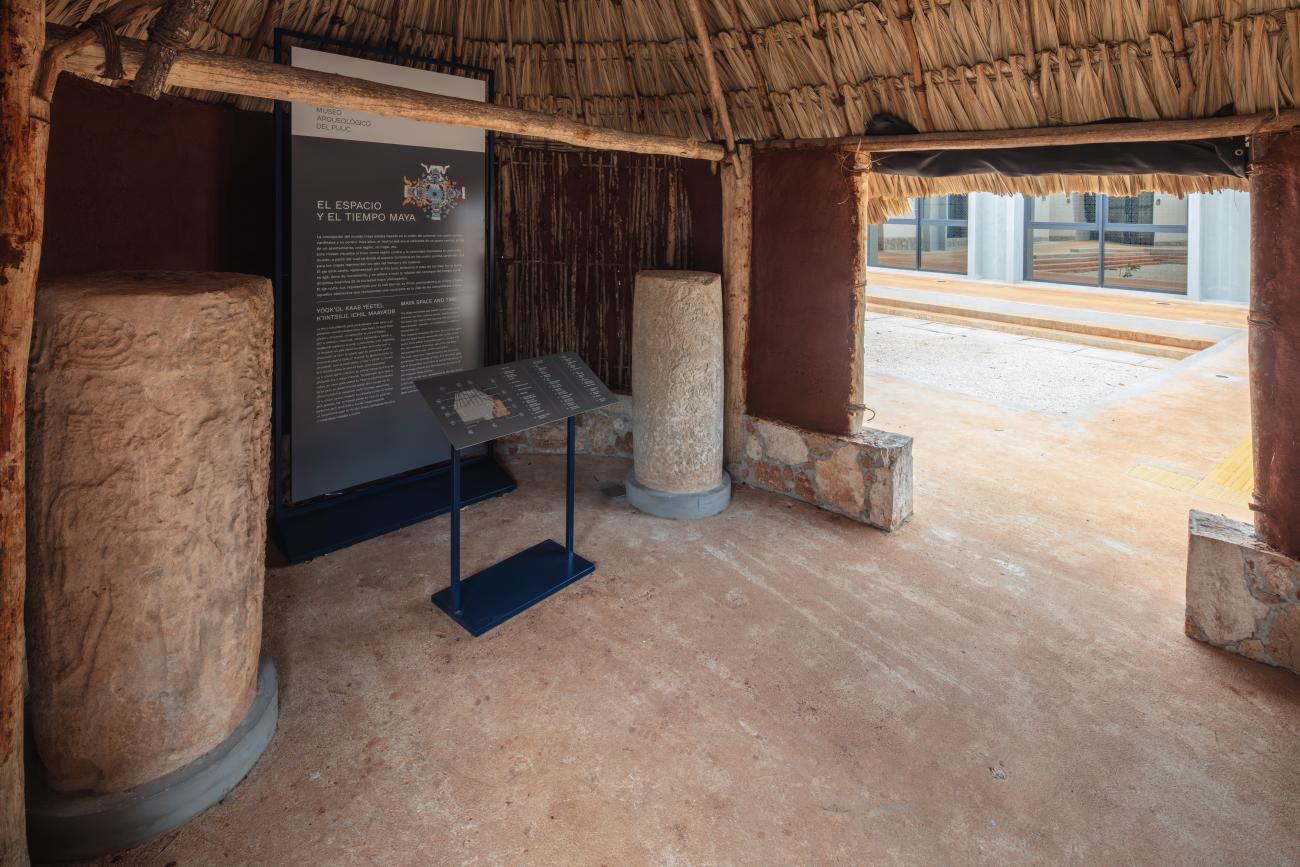
Reproducción de casa maya tradicional
The Mayan house represents the center of the world, from which the horizontal space is divided into the four cardinal directions, which for the Maya represent the axes of time and space.
- Dirección del Centro INAHVictor Arturo Martínez Rojasvictor_amartinez@inah.gob.mx+52 (999) 944 4068